

Kigali, Rwanda — Rwanda has taken a significant step toward strengthening its preparedness against mosquito-borne diseases following a specialized national training on entomological surveillance of arboviruses. The five-day training, held from November 3–7, 2025, in Nyamata, Bugesera District, brought together experts and health professionals to enhance the country’s capacity to detect and respond to emerging public health threats.
Arboviruses—including Dengue, Zika, Chikungunya, Yellow Fever, and Rift Valley Fever—remain a growing concern globally and regionally. Rwanda has previously experienced outbreaks, notably Rift Valley Fever in 2018 and 2022, affecting livestock. Experts warn that factors such as climate change, urbanization, and increased human mobility are accelerating the spread of these diseases.
The training, organized under the Pandemic Fund–supported project “Strengthening Pandemic Prevention & Response Through One Health Approach in Rwanda (SPPROH–Rwanda)”, aimed to equip participants with both theoretical knowledge and hands-on skills in mosquito surveillance and virus detection. Participants were drawn from multiple units within the Rwanda Biomedical Centre (RBC), including Medical Entomology, Microbiology, Molecular Genomics, and One Health, as well as partners such as the World Health Organization and the Kenya Medical Research Institute (KEMRI).
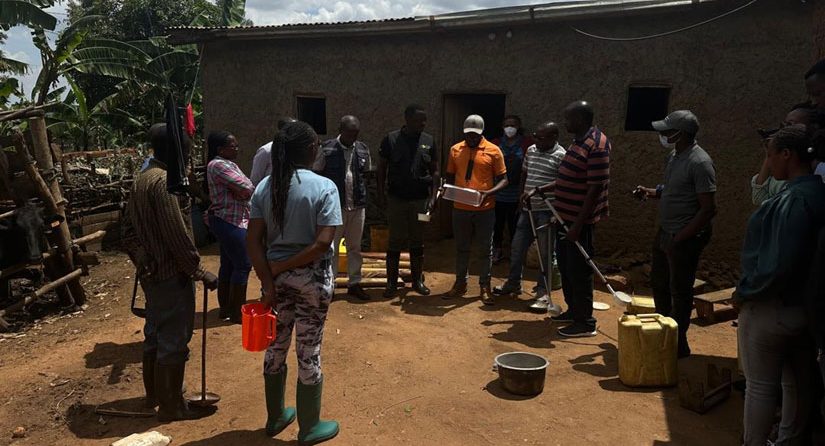
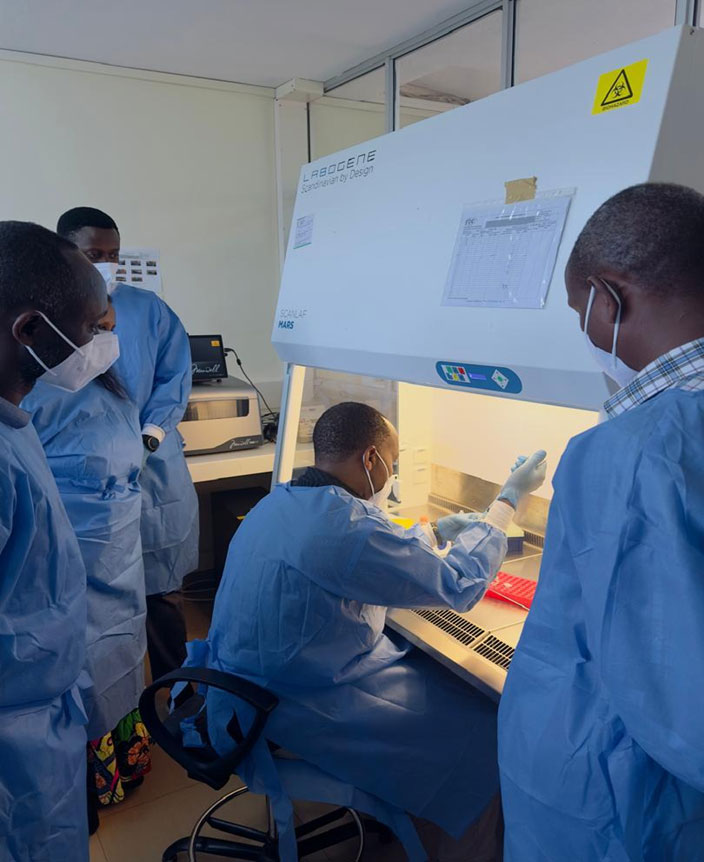
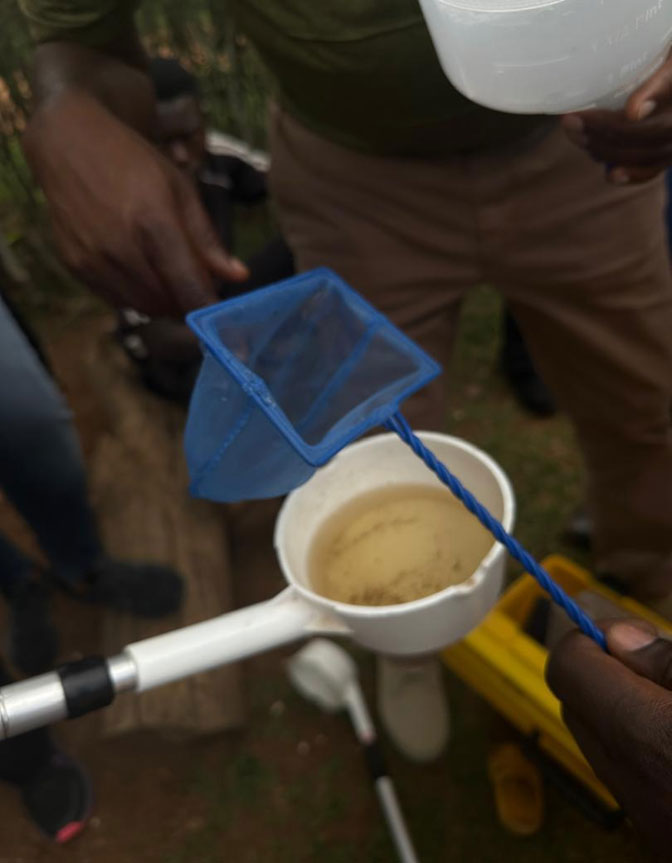
Throughout the training, participants engaged in classroom sessions, laboratory exercises, and fieldwork. Practical activities included mosquito collection using advanced trapping methods, species identification using microscopes, and molecular testing techniques such as PCR and sequencing. Field demonstrations conducted in Mareba allowed trainees to assess mosquito breeding sites and calculate risk indicators such as the House Index, Container Index, and Breteau Index—key metrics used to predict outbreak risk.
According to the training report, participants successfully developed critical competencies in mosquito identification, sample handling, biosafety procedures, and data analysis. These skills are expected to strengthen Rwanda’s early warning systems and support timely, evidence-based public health interventions.
“This initiative is a crucial investment in national health security,” the report notes, emphasizing the importance of integrating entomological surveillance into broader disease monitoring systems. By strengthening collaboration across sectors—including human, animal, and environmental health—the training reinforces Rwanda’s commitment to the One Health approach.
Despite the success of the program, organizers highlighted the need for additional training to deepen practical skills and expand capacity. Recommendations include further hands-on training sessions, procurement of advanced laboratory equipment, development of standardized operating procedures, and establishment of a centralized digital system for real-time surveillance data management.
As arbovirus threats continue to evolve, Rwanda’s proactive efforts to build a skilled workforce and strengthen surveillance systems position the country as a regional leader in pandemic preparedness and response.