

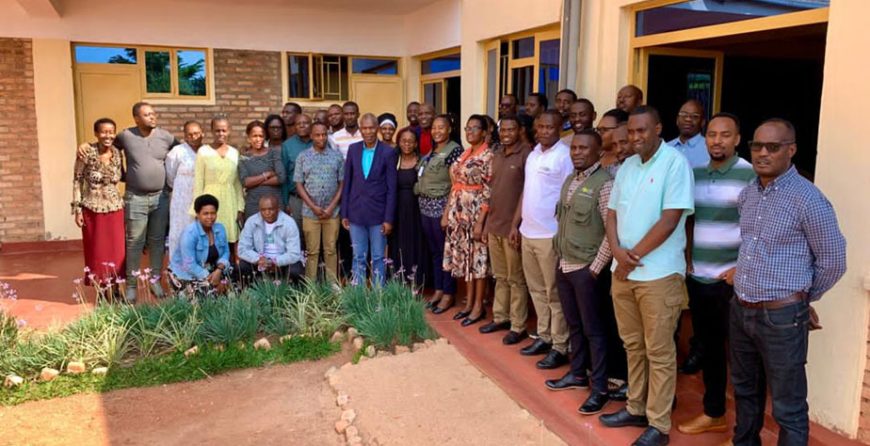
Kigali, Rwanda — In a proactive effort to reduce the impact of natural disasters, Rwanda has strengthened the capacity of frontline responders through a national training and simulation exercise focused on floods and landslides preparedness and response.
The five-day training and tabletop exercise, held from September 29 to October 3, 2025, in Huye District, brought together 56 participants from high-risk districts across the country. The initiative aimed to enhance coordination, improve emergency response systems, and equip responders with practical skills to manage disaster situations effectively.
Floods and landslides remain among the most frequent and destructive natural hazards in Rwanda, driven by the country’s mountainous terrain and changing climate patterns. These disasters often lead to loss of life, destruction of infrastructure such as roads and health facilities, and displacement of communities into temporary shelters, increasing the risk of disease outbreaks and worsening health conditions.
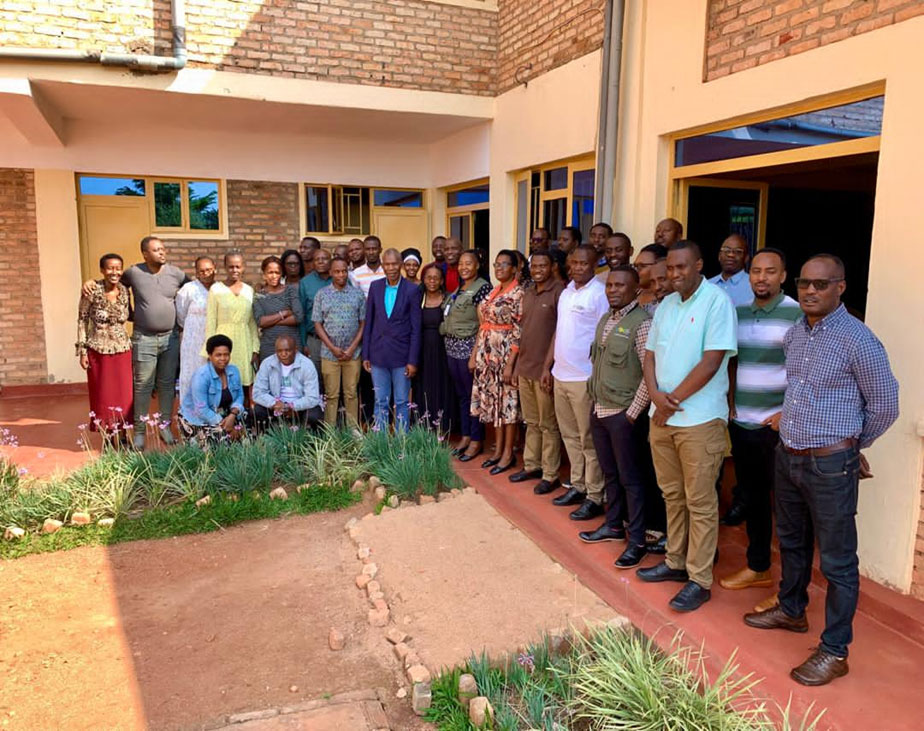
Recognizing these risks, the training focused on strengthening preparedness before disasters occur and ensuring coordinated, timely responses during emergencies. Participants included District Disaster Management Officers, health officials, environmental health officers, and hospital representatives, reflecting a multisectoral approach to disaster management. Facilitators were drawn from the Rwanda Biomedical Centre (RBC), the Ministry in charge of Emergency Management (MINEMA), Meteo Rwanda, and the World Health Organization.
The program combined theoretical sessions with practical simulations. Through presentations and group discussions, participants gained a deeper understanding of flood and landslide dynamics, early warning systems, and risk forecasting. The tabletop exercises—simulated disaster scenarios—allowed participants to test existing response plans, identify weaknesses, and improve decision-making under pressure.
According to the activity report, the training resulted in significant improvements in coordination between district Rapid Response Teams (RRTs), Public Health Emergency Management Committees (PHEMCs), and national response structures such as the Public Health Emergency Operations Center (PHEOC). Participants also enhanced their ability to communicate effectively during emergencies and better assess available resources.
Importantly, the simulation exercises revealed critical gaps in communication, decision-making, and resource allocation, providing valuable insights for strengthening national and district-level contingency plans. The training also promoted cross-district learning, enabling participants to share experiences and best practices in managing disaster events.
Experts emphasize that such capacity-building initiatives are essential as climate-related disasters become more frequent and severe. By investing in preparedness, Rwanda is reducing vulnerability, protecting communities, and ensuring faster, more effective responses when disasters strike.
As the country continues to refine its risk management strategies, strengthened frontline response systems and coordinated multi-sectoral collaboration will remain central to safeguarding lives and building resilience against future disasters.