

Rwanda – August 2025 Rwanda has reached a major milestone in strengthening public health surveillance through the phased rollout of Event-Based Surveillance (EBS)—a strategic enhancement to the country’s Integrated Disease Surveillance and Response (IDSR) system. While Indicator-Based Surveillance (IBS) continues to serve as the foundation for routine reporting from health facilities, EBS adds a dynamic layer that captures unstructured signals from diverse sources, enabling earlier detection and faster response to potential public health threats.
Unlike traditional surveillance approaches, EBS draws on informal and non-traditional sources such as community reports, media alerts, health worker observations, and even rumors. These signals can provide early warnings of unusual events in both human and animal populations, including sudden deaths, disease clusters, spikes in medication purchases, increased school absenteeism, or illnesses among health workers. Rapid verification and investigation of these signals are essential to trigger timely public health action.
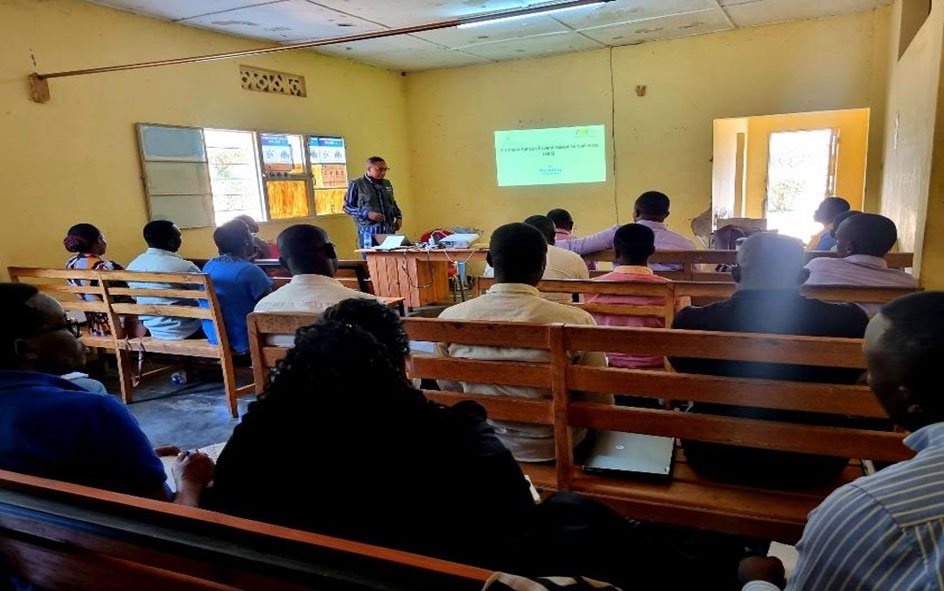
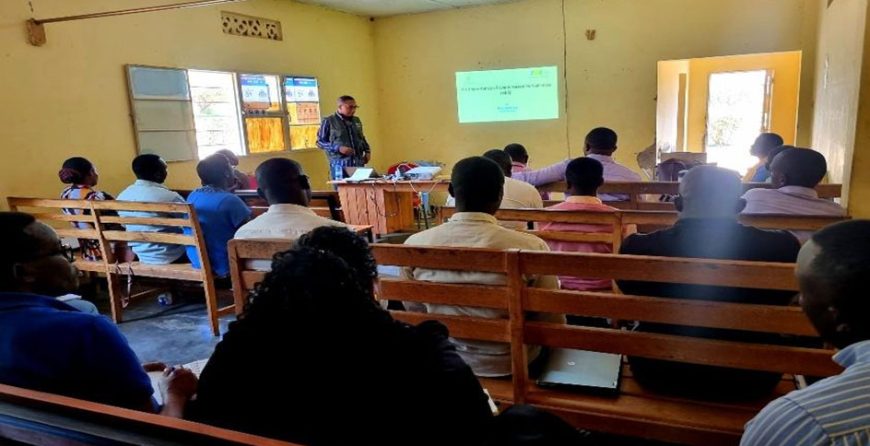
With financial support from the Pandemic Fund, the Ministry of Health—through the Rwanda Biomedical Centre (RBC), in collaboration with WHO and Africa CDC—has built national capacity for EBS implementation. This includes training 168 trainers of trainers (ToTs) and 1,047 frontline health workers across the country. These trained personnel are now equipped to utilize diverse data sources, interpret ad hoc information, and apply a One Health approach to strengthen early warning systems.
Rwanda has reinforced multiple surveillance channels, including community-based surveillance through Community Health Workers and local informants (LOOKOUTS); facility-based surveillance across human, veterinary, and pharmaceutical sectors; media-based surveillance through monitoring of news and social media; and hotline-based surveillance capturing alerts from the public. These components are integrated into Rwanda’s electronic Community Event-Based Surveillance system, enabling real-time monitoring and response.
To date, EBS has been rolled out in 17 of the 30 targeted districts. As integration into the IDSR framework continues, Rwanda is not only strengthening national preparedness but also contributing to regional and global health security. As one health worker reflected after training, “We now understand that even a simple rumor in the community could be the first clue to an outbreak. Acting on it early can save lives.”
EBS is more than a surveillance tool—it is Rwanda’s frontline defense against emerging health threats, ensuring that no signal goes unnoticed and no opportunity for early intervention is missed.