Drug and Alcohol Abuse Disorders
Symptoms
Signs and symptoms of drug use or intoxication may vary, depending on the type of drug. DSM 5-Substance use disorders span a wide variety of problems arising from substance use, and cover 11 different criteria:
- Taking the substance in larger amounts or for longer than you're meant to
- Wanting to cut down or stop using the substance but not managing to
- Spending a lot of time getting, using, or recovering from use of the substance
- Cravings and urges to use the substance
- Not managing to do what you should at work, home, or school because of substance use
- Continuing to use, even when it causes problems in relationships
- Giving up important social, occupational, or recreational activities because of substance use
- Using substances again and again, even when it puts you in danger
- Continuing to use, even when you know you have a physical or psychological problem that could have been caused or made worse by the substance
- Needing more of the substance to get the effect you want (tolerance)
- Development of withdrawal symptoms, which can be relieved by taking more of the substance
- Tremor in hands
- Sweating
- Vomiting
- Increased pulse and blood pressure
- Agitation
- Headache
- Nausea
- Anxiety
- Seizure and/or confusion in severe cases
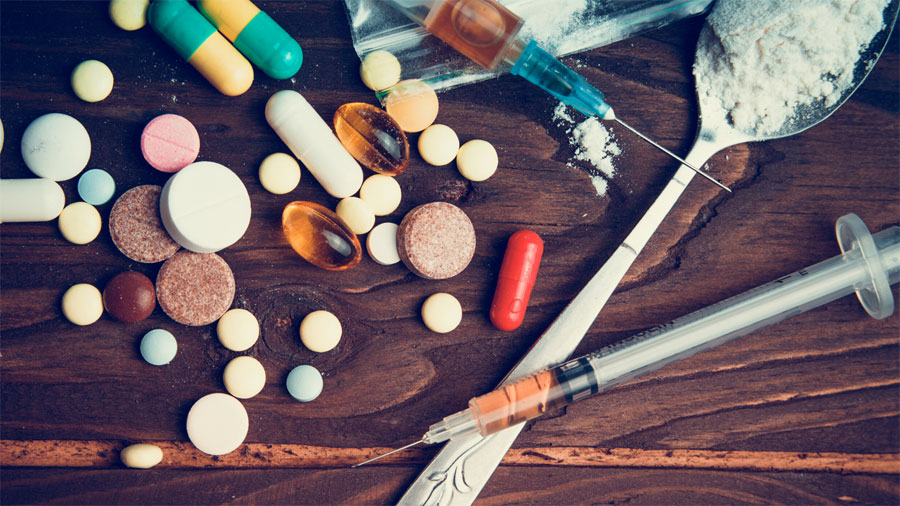
Drug and alcohol abuse disorders are characterized by a pattern of continued pathological use of a psychoactive substance that results in repeated adverse physiological, behavioral and social consequences. Drug addiction, also called substance use disorder, is a disease that affects a person's brain and behavior and leads to an inability to control the use of a legal or illegal drugs or medications. Substances such as alcohol, marijuana and nicotine also are considered drugs. When you are addicted, you may continue using the drug despite the harm it causes.
It is important to understand how substance abuse develops. Substance abuse may start through the recreational use of illegal drugs, abusing medication or alcohol, or seeking intoxication with each use. It is important to maintain a well-balanced life and to develop healthy friendships, relationships, and support systems. Peer pressure is often prevalent among children and youth, it is important to develop good strategies for how to avoid peer pressure and surround yourself with those who do not abuse drugs or alcohol, or pressure you to do so. Education on the effects of drug abuse and alcohol use disorder is also extremely important for prevention.
The Mental Health division offers a combined treatment package and provides guidelines and protocols for prevention and treatment of substance abuse related disorders. The Ministry of Health, in collaboration with other sister ministries, public institutions, and civil society organizations, conducts prevention and educational campaigns targeting different categories of youth. The Ministry of Health also conducts mentorships, trainings of health professionals, and supervisions of health facilities and other facilities in the community, with attention to schools.
Drug and alcohol abuse disorders are managed in all health facilities according to the guidelines of different levels, from community to referral settings. Specialized treatment is done at Huye Isange Rehabilitation Center, Ndera Hospital, and other University Teaching Hospitals in Rwanda.
Treatment of drug and alcohol abuse disorders is done at health facilities under coverage of Community Base Health Insurance (CBHI). Free services are offered in rehabilitation services. Management of drug and alcohol abuse disorder takes time, like other mental and behavioral disorders. Eliminating addiction is possible with adherence to medication, psychological, and social support. Although it is common for relapses to occur, recovery is possible.
- Educate and provide guidance to children and other youth on hazards of drug and alcohol abuse
- Spread messages on drug and alcohol abuse prevention in the community and in schools
- Talk to the community health workers in the village to identify families at risk of drug and alcohol abuse