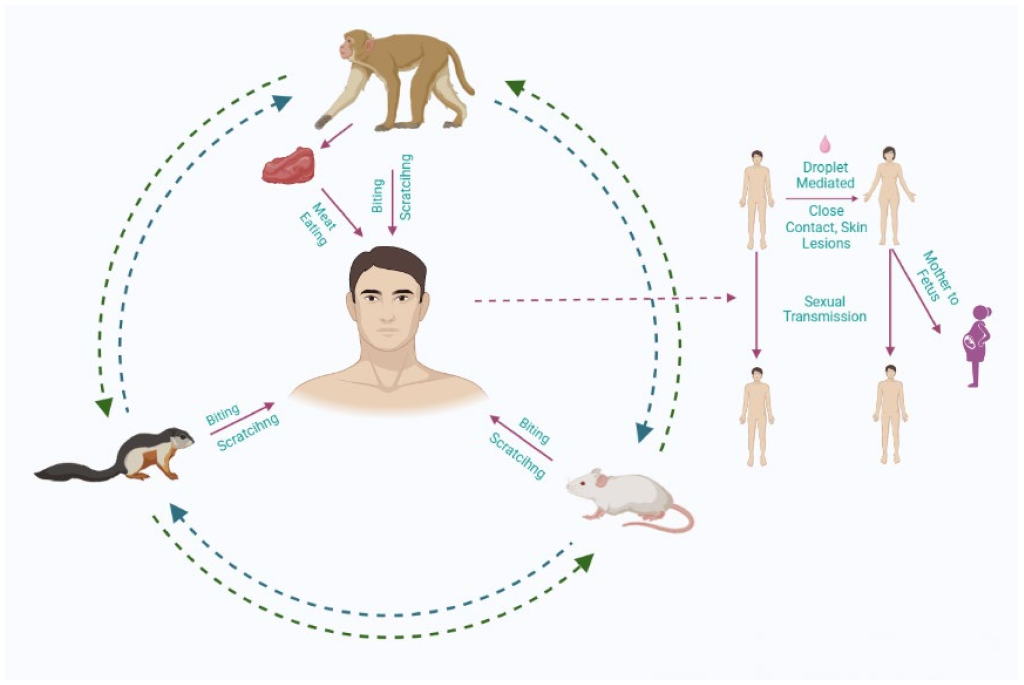
Mpox is a viral zoonotic disease caused by the Mpox virus (MPXV), belonging to the orthopoxvirus genus in the Poxviridae family. Although it shares similarities with smallpox, Mpox is historically milder, less contagious, and rarely fatal. The disease was first identified in monkeys in 1958 and in humans in 1970 in the Democratic Republic of Congo (DRC), initially confined to Central and West Africa. However, a significant outbreak between 2022 and 2023 led to its spread across Europe, North America, and Asia.
Mpox has two genetic clades: The Central African (Congo Basin) Clade I, associated with more severe illness, and the West African Clade II, which is linked to milder disease.
On August 14, 2024, the World Health Organization (WHO) declared Mpox a public health emergency of international concern (PHEIC), following the Africa CDC’s declaration on August 13, 2024, which recognized the ongoing Mpox outbreak as a Public Health Emergency of Continental Security (PHECS). Rwanda confirmed its first Mpox outbreak on July 24, 2024, shortly after neighboring DRC reported cases in Goma. In response, Rwanda has bolstered its healthcare infrastructure, enhanced disease surveillance, and prioritized public education on Mpox risks, stressing the importance of reporting suspected cases.