Information for Everyone

About the Flu
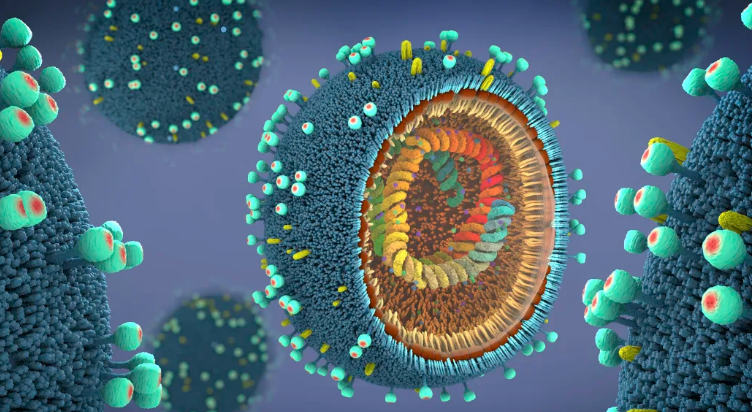
Flu, also called influenza, is an infection of the nose, throat and lungs, which are part of the respiratory system. The flu is caused by a virus. It can cause mild to severe illness and spread mainly by tiny droplets made when people with flu cough, sneeze, or talk.

Current situation
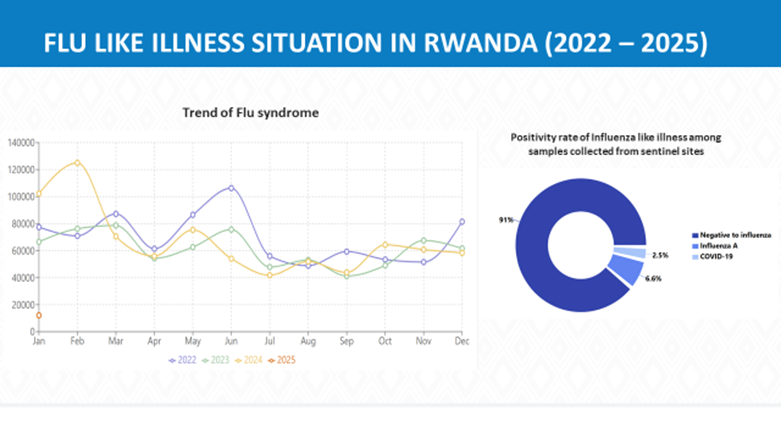
Respiratory viruses remain important public health threats. Influenza is a seasonal disease; during this time of the year, we observe an increase of influenza-like illnesses, approximately. Data from recent surveillance shows that Influenza A is the main circulating virus.
Symptoms
Flu can cause mild to severe illness, and at times can lead to death. Flu symptoms usually come on suddenly. People who have flu often feel some or all of these signs and symptoms:
- Fever or feeling feverish/chills
- Cough
- Sore throat
- Runny nose
- Muscle or body aches
- Headaches
- Fatigue (tiredness)
- Some people may have vomiting and diarrhea, though this is more common in children than adults.
Risk factors
Influenza like illness or other illnesses caused by respiratory viruses can make anyone sick. However, there are a range of risk factors that can increase a person’s chances of getting very sick (severe illness). Generally, people at higher risk of severe illness from respiratory viruses are older adults, young children, people with compromised immune systems, people with disabilities, and pregnant people.
Prevention
There are actions you can take to protect yourself and others from flu and help stop the spread of flu virus. These include:
- Wash your hands frequently to maintain good hygiene
- Avoid touching your eyes, nose and mouth
- Use face mask
- Avoid close contact with others to reduce transmission of the others
- If you don’t feel well, stay home
- Seek medical care if you present with flu-like symptoms
Global situation
On 7 January, WHO published a Disease Outbreak News on Human meta pneumovirus (HMPV) and noted the absence of any unusual outbreak patterns in China. According to the most recent surveillance data from the Chinese Center for Disease Control and Prevention (data from 23 to 29 December), China has entered its respiratory virus season. During this period, 6.2% of HMPV tests for outpatient and emergency department visits were positive, a 0.1% increase from the prior week. This level of positive tests is not unusual during respiratory virus season. For hospitalized patients with severe acute respiratory infection, 5.4% of tests were positive for HMPV, a 1% increase from the prior week.
According to Influenza Update N° 506 published by the WHO in December 2024, influenza was elevated in Northern Europe (mostly A(H1N1), South West Europe (mostly A(H1N1) and B), Eastern Europe (due to co-circulation of influenza viruses), Central America and the Caribbean mostly A(H3N2), Western Africa mostly A(H3N2) and B), Middle Africa mostly A(H1N1) and A(H3N2), Northern Africa (mostly A(H3N2)), Western Asia (due to co-circulation of influenza viruses), Southern Asia mostly A(H1N1), and South East Asia (mostly A(H1N1) and B). Activity increased in several countries in Europe and Asia.
In the Southern hemisphere, influenza activity was elevated and increased in a single country in Tropical South America (due mostly to B viruses) but was similar or declined in all other reporting countries.
Situation of flu like illness in Rwanda
Respiratory viruses remain important public health threats. Influenza is a seasonal disease; during this time of the year, we observe an increase of influenza-like illnesses, approximately. Data from recent surveillance shows that Influenza A is the main circulating virus. The chart below shows the monthly trend of influenza cases from 2022-2025.