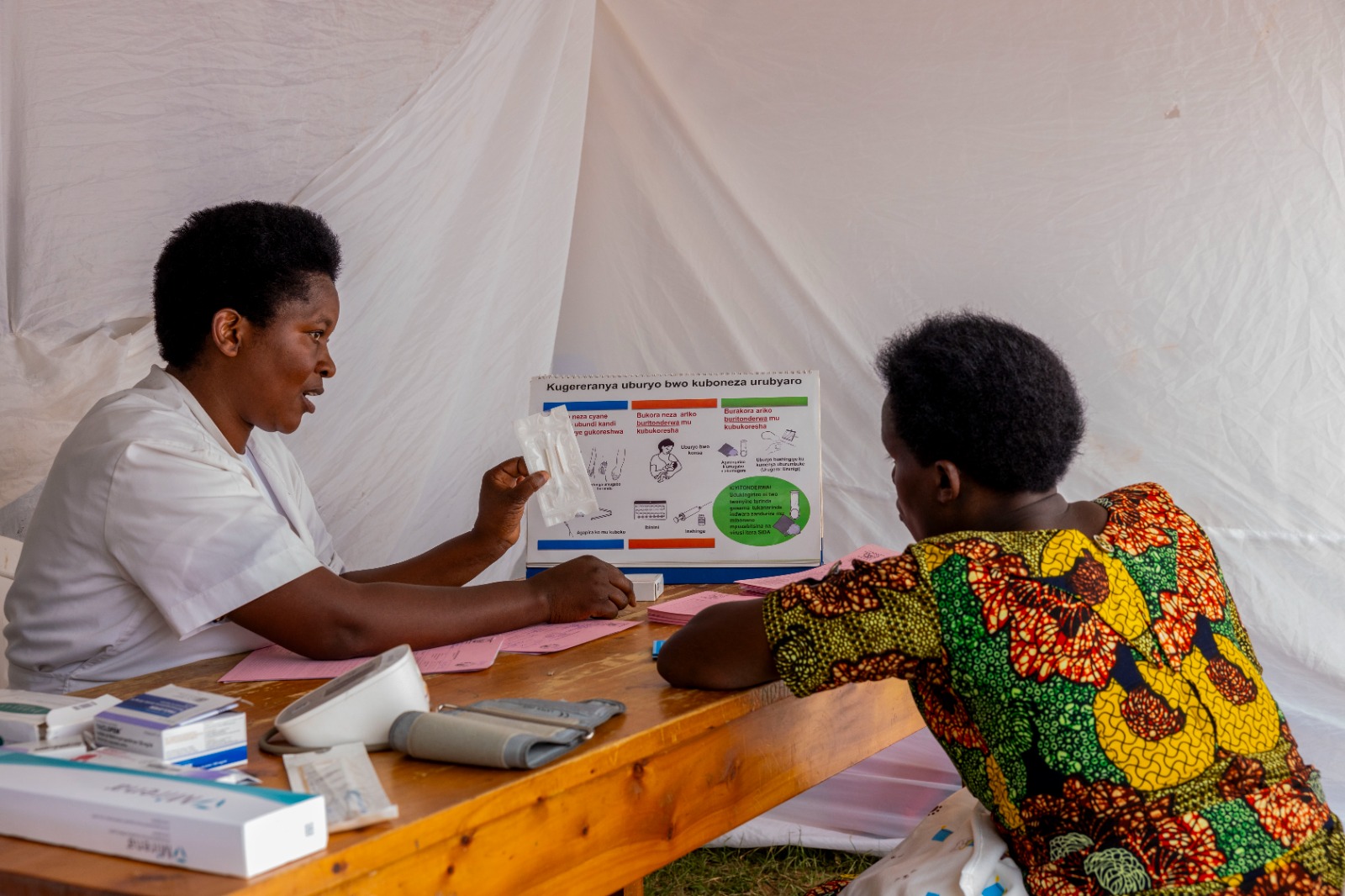
On 26th September 2024, Rwanda Biomedical Centre together with partners joined the Nemba residents in Gakenke District, Northern Province to celebrate the World Contraception Day 2024 themed “The Power of Informed Choice in Contraception Use.”
The logic behind the choice of the theme lies in the individual’s ability to choose the suitable contraceptive method which implies the profound impact that it can have on people’s lives and societal progress.
This year’s World Contraception event celebration highlighted the critical role of informed choice in improving health outcomes, enhancing economic opportunities, reducing the unmet need, and supporting sustainable development. The theme not only aligns with global health and development goals but also addresses specific demographic and socio-economic challenges faced by many countries, including Rwanda.
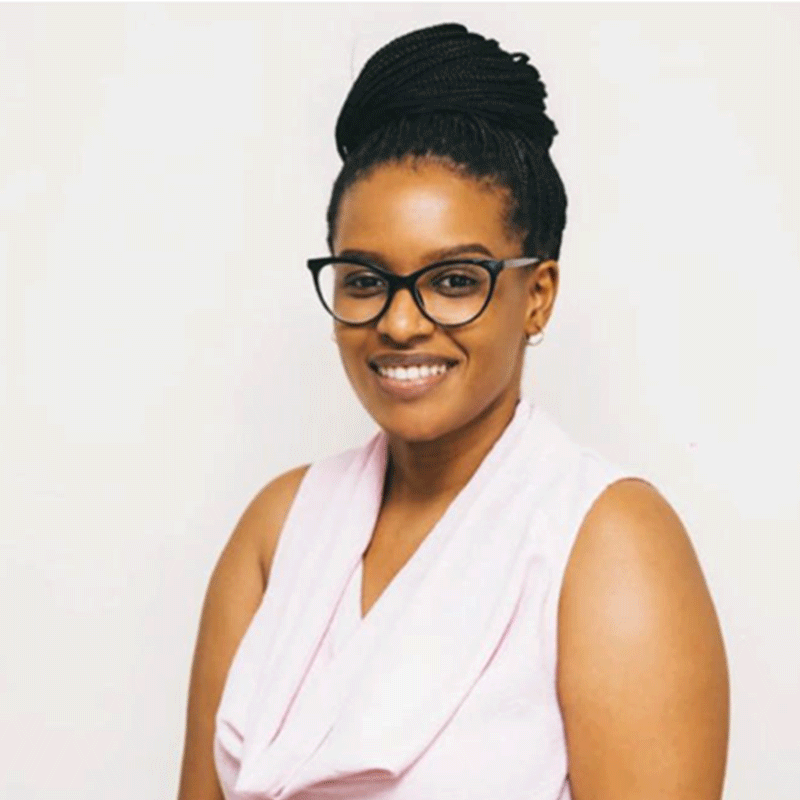
On the occasion of the celebration, Dr. Aline Uwimana; Maternal, Child and Community Health Division Manager Rwanda Biomedical Centre highlighted that “the theme is a reminder of collective efforts as contraception contributes to reduction of mortality of children and mothers, stunting and poverty in families.”

In Rwanda, the country faces challenges due to a rapidly growing population at an annual rate of 2.3%, high fertility rates of 3.6 children per woman, and land shortages with a dense population of 503 people per square kilometer.
These issues contribute to environmental degradation, the need for more schools and infrastructure, and increased demand for healthcare workers.
As stipulated in the Rwanda Demographic Health Survey 2019/20 report, the modern contraceptive use among married women increased from 10% in 2005 to 58% in 2020, with higher usage in rural areas (65%) compared to urban areas (61%). However, the unmet need for family planning remains high among unmarried women (37%) compared to married women (14%).
Rwanda’s Family Planning and Adolescent Sexual Reproductive Health(FP-ASRH) Strategic Plan of 2018–2024 has been aiming to improve population health and well-being, with a goal to achieve a contraceptive prevalence rate of 60% by 2024, addressing the country’s demographic and health challenges.
However, Gakenke District that hosted a celebration may serve as the role model for the rest of the population as it was noted, the district made significant progress in contraceptive uptake, with the rate increasing from 53% in 2015 to 64% in 2020. Vestine Mukandayisenga, the Mayor of Gakenke District noted the celebration came while they “had been conducting community awareness whereby 2025 people received family planning services and some of the population understand that to have children of their capacity remain their optimal responsibility.”
However, she added “challenges remain, limited access to family planning services due to having 5 out 23 health centers available in the district are faith-based owned health facilities that resist the family planning and persistence of the misinformation on contraception use among the population.”
Kanyamakawa Emmanuel and Musabyimana Leocadie, one of the couples in attendance who came forward and gave testimonies on how important family planning has been to their lives as parents in order to strive and have their children grow and be attended to properly as they were able to do so thanks to family planning.
Kanyamakawa, who applied Vasectomy said “I sat and advised with my spouse, and we attended family planning services and now our four children have not faced malnutrition, they attend school and as we speak, we do not have any family issues.”
Dr. Uwimana who was speaking on behalf of the Director General of Rwanda Biomedical Centre commended the collaboration between government institutions, development partners and civil society organizations in the provision of contraceptive services to the Rwandan population and called for more partnership.
“Let us keep working together and help the people on choosing family planning services and even other services regarding sexual reproductive health, with basis on factual and adequate information, so as to satisfy the wishes of those who choose to use Family planning services in a way that is clear and near to them to better the Rwandan family. By enabling individuals to take charge of their reproductive health.”