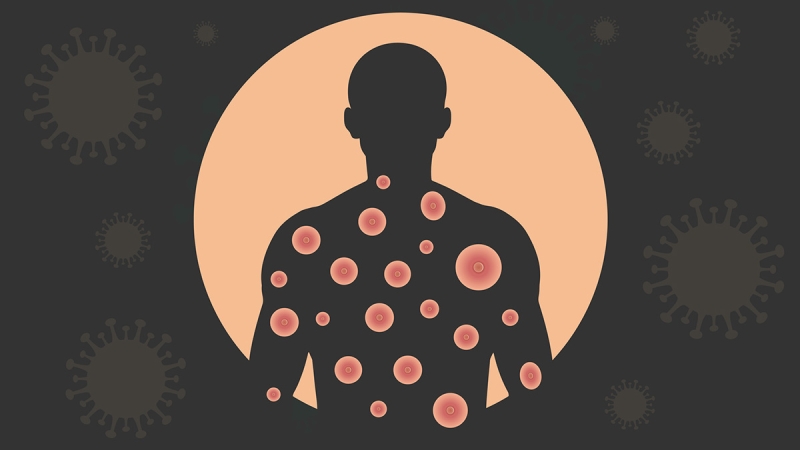
What is Mpox?

Background

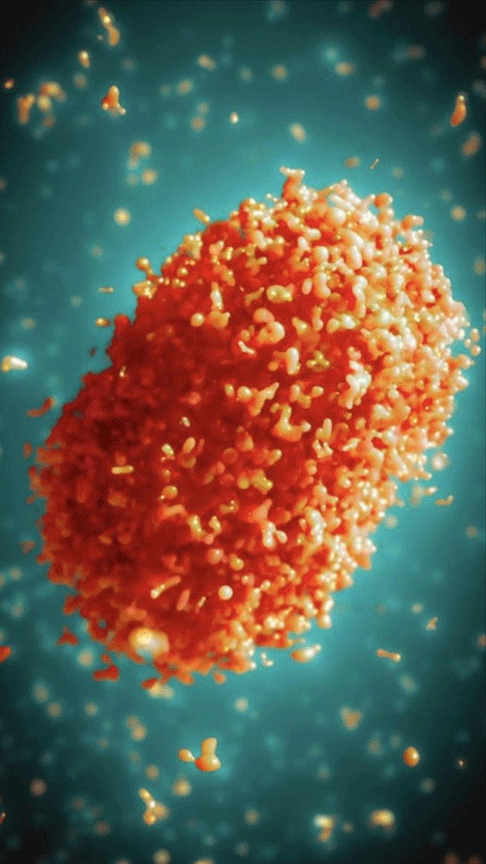
Mpox is a viral zoonotic disease caused by the Mpox virus (MPXV), belonging to the orthopoxvirus genus in the Poxviridae family. Although it shares similarities with smallpox, Mpox is historically milder, less contagious, and rarely fatal. The disease was first identified in monkeys in 1958 and in humans in 1970 in the Democratic Republic of Congo (DRC), initially confined to Central and West Africa. However, a significant outbreak between 2022 and 2023 led to its spread across Europe, North America, and Asia.

Mpox has two genetic clades: The Central African (Congo Basin) Clade I, associated with more severe illness, and the West African Clade II, which is linked to milder disease.

On August 14, 2024, the World Health Organization (WHO) declared Mpox a public health emergency of international concern (PHEIC), following the Africa CDC’s declaration on August 13, 2024, which recognized the ongoing Mpox outbreak as a Public Health Emergency of Continental Security (PHECS). Rwanda confirmed its first Mpox outbreak on July 24, 2024, shortly after neighboring DRC reported cases in Goma. In response, Rwanda has bolstered its healthcare infrastructure, enhanced disease surveillance, and prioritized public education on Mpox risks, stressing the importance of reporting suspected cases.
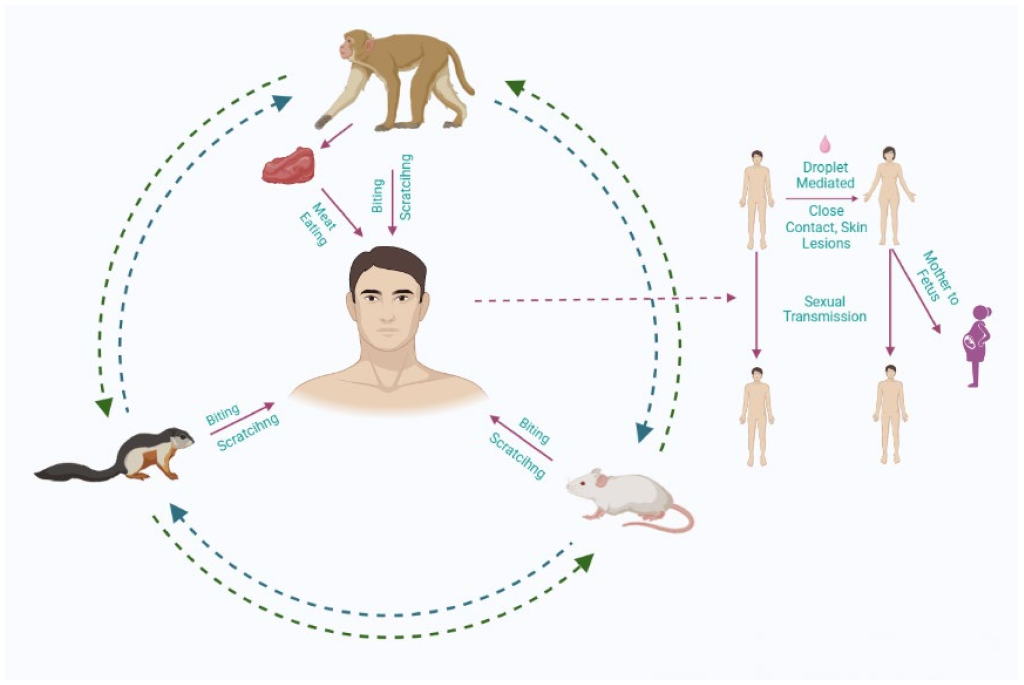
How Mpox Spreads (Transmission)?

Animal-to-Human Transmission:

  • Touching the blood, body fluids, or sores of infected animals.
  • Getting bitten or scratched by an infected animal.
  • Consuming undercooked meat from infected animals.

Human-to-Human Transmission:

  • Respiratory Droplets: Breathing in droplets from an infected person, usually after close, face-to-face contact.
  • Direct Contact: Touching the sores, body fluids, or even surfaces contaminated by someone with Mpox (e.g., clothing, linens).
  • Sexual Contact: Sexual contact is a significant way the virus spreads from one person to another, both with or without a condom.

Environment-to-Human Transmission:

  • Contaminated Objects: Touching materials that have the virus on them (e.g., bedding, clothing). The virus can survive on these surfaces for a long time, so cleaning and disinfection are important.

Other Ways:

  • Mother-to-Baby: The virus can pass from a pregnant person to their baby during pregnancy.

Key Symptoms of Mpox

Rash:

  • Appears like blisters or sores.
  • Can affect various body parts: face, palms, soles, groin, genital, and anal regions. Passes through several stages: it starts flat, then becomes raised, turns into blisters, fills with pus, and finally forms scabs (dry up and fall off after 2-4 weeks).

Lymphadenopathy (Swollen Lymph Nodes):

Commonly affects lymph nodes in the neck (submandibular and cervical), armpits (axillary), and groin (inguinal). | These are the small, bean-shaped glands in your neck, armpits, and groin that can swell up during Mpox.

Fever: A high temperature that often comes with or before the rash.

  • Other Symptoms:
    • Headache
    • Muscle pain
    • Back pain
    • Fatigue

Severe Symptoms:

    • Larger, more widespread lesions, especially in the mouth, eyes, and genitals.
    • Secondary bacterial infections (skin, blood, lungs).
    • Potential complications include encephalitis (brain), myocarditis (heart), and pneumonia (lungs).

High-risk groups and key populations

Even in the same geographic location, some groups of people are at higher risk of being exposed to Mpox than others.

People highly at risk include:

  • People with multiple sexual partners
  • Sex workers
  • Healthcare providers
  • Travelers to countries affected with Mpox

People who are likely to develop severe illness of Mpox include:

  • Immunosuppressed people
  • Children
  • pregnant women

What to Do?

If you suspect that you or someone you know has Mpox:

  1. Seek medical attention immediately – early diagnosis can help manage symptoms effectively.
  2. Isolate – avoid contact with others to prevent the spread of the virus.
  3. Follow medical advice – adhere strictly to treatment plans and public health guidelines for Mpox prevention.

Mpox Situation in Rwanda

Rwanda confirmed its first two cases of Mpox on July 24, 2024. The current situation, as of 8th December 2024 is as follows:

  • Cumulative suspected cases: 5086
  • New suspected cases: 369
  • Total confirmed cases: 69
  • New confirmed cases: 10
  • Cases under follow-up: 32
  • Total discharged cases: 37
  • New discharged cases: 5

Actions taken

In response to the Mpox outbreak, several key interventions are being implemented at central and district levels, where Incident Management System for Mpox is activated to enhance preparedness and strengthen response efforts. Key interventions are being implemented, including enhanced surveillance, case management, ring vaccination, and public awareness campaigns.

Travel Advisories

Travelers from regions with reported cases are advised to undergo screening at their respective points of entry, report any symptoms immediately, and routinely be screened for identification of suspected symptoms, with referrals made to the nearest designated healthcare facilities.

Mpox Self-Care for Students

What You Should Do:

    1. Recognize the symptoms:
      • Be aware of key signs like a rash, swollen lymph nodes, fever, headaches, muscle pain, or extreme tiredness. (LINK to symptoms)
    2. Take action if you feel unwell:
      • Tell a trusted adult: inform your parent, teacher, or school representative if you feel unwell.
      • Get checked: they will help you get screened for Mpox.
      • Stay home (for day scholars): Stay home while you wait for your test results to prevent spreading the virus to others.

How to protect yourself:

  1. Practice good hygiene:
    • Wash Your Hands: Regularly wash your hands with soap and water, especially before eating, touching your face, or after contact with someone who shows symptoms.
    • Use Hand Sanitizer: Keep your hands clean after touching shared surfaces or objects.
  2. Avoid close contact:
    • Stay Safe: Avoid close contact with anyone who is sick or has a rash.
    • Don’t Share Personal Items: Avoid sharing personal items like towels, clothing, bedding, underwear, cups or folks.
  3. Keep your space clean:
    • Disinfect Regularly: Regularly clean and disinfect your personal items and spaces, especially if they’re shared with others.

FAQs on Mpox

How is Mpox transmitted?

Mpox is primarily transmitted through close contact with the body fluids, respiratory droplets, or skin lesions of an infected person or animal. It can also be spread by touching contaminated clothing or bedding.

Can Mpox be treated?

There is no specific treatment for Mpox, but supportive care and antiviral medications may help alleviate symptoms. Vaccines developed for smallpox have shown some effectiveness in preventing Mpox.

Is Mpox deadly?

While Mpox can cause severe illness, it is generally not as deadly as smallpox. The mortality rate varies depending on the strain, with some strains being more dangerous.

Is there a vaccine for Mpox?

Yes, vaccines used for smallpox have been shown to provide protection against Mpox.

How can Mpox be prevented?

Prevention involves avoiding contact with infected animals or humans, practicing good hygiene, and adhering to public health guidelines.

https://www.who.int/news-room/questions-and-answers/item/monkeypox#