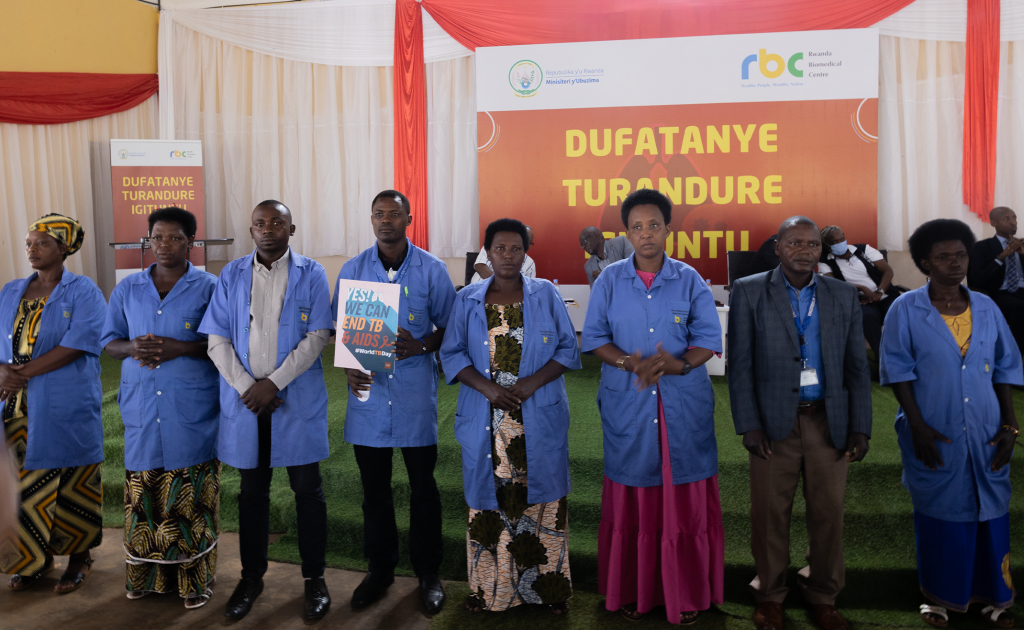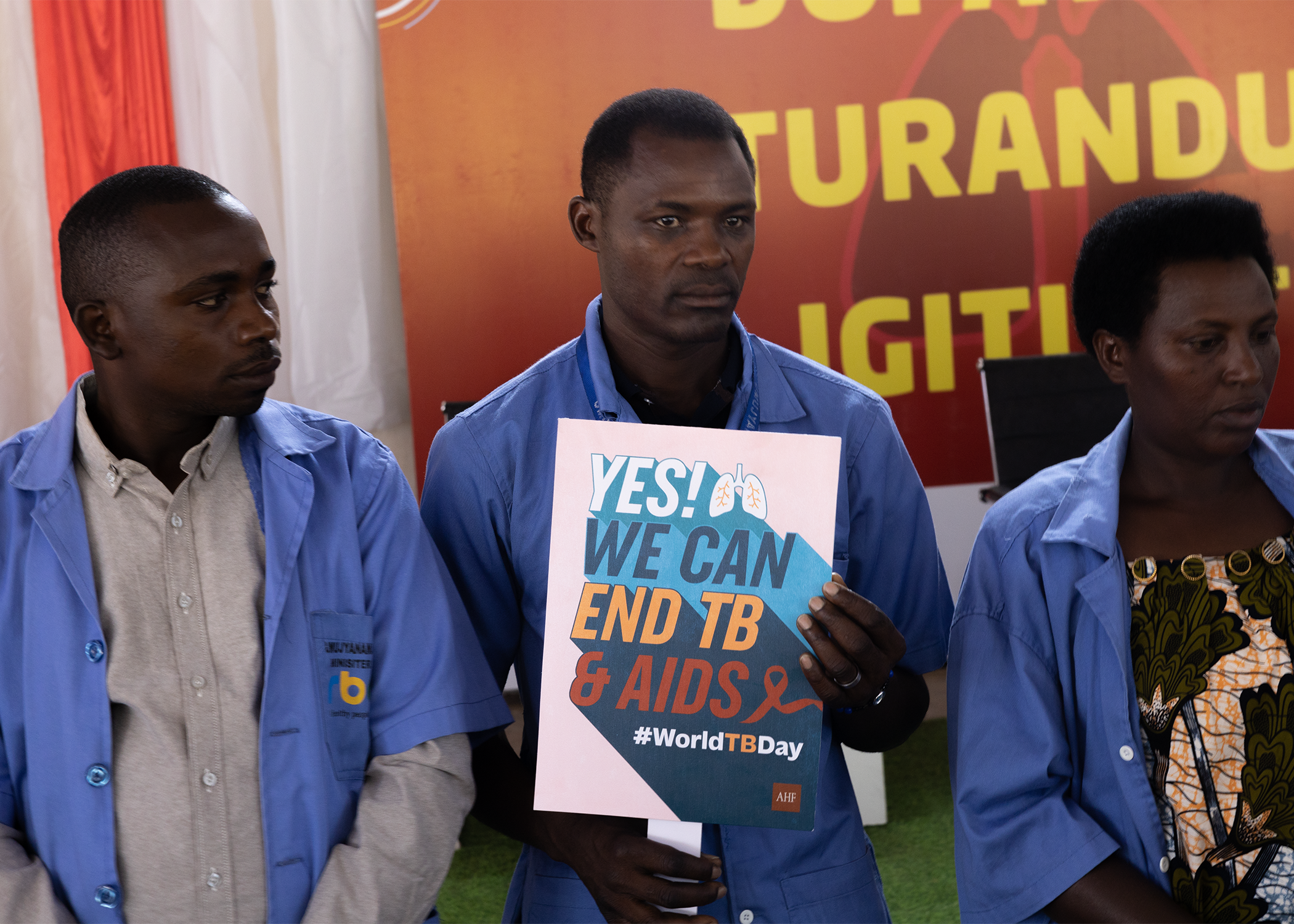
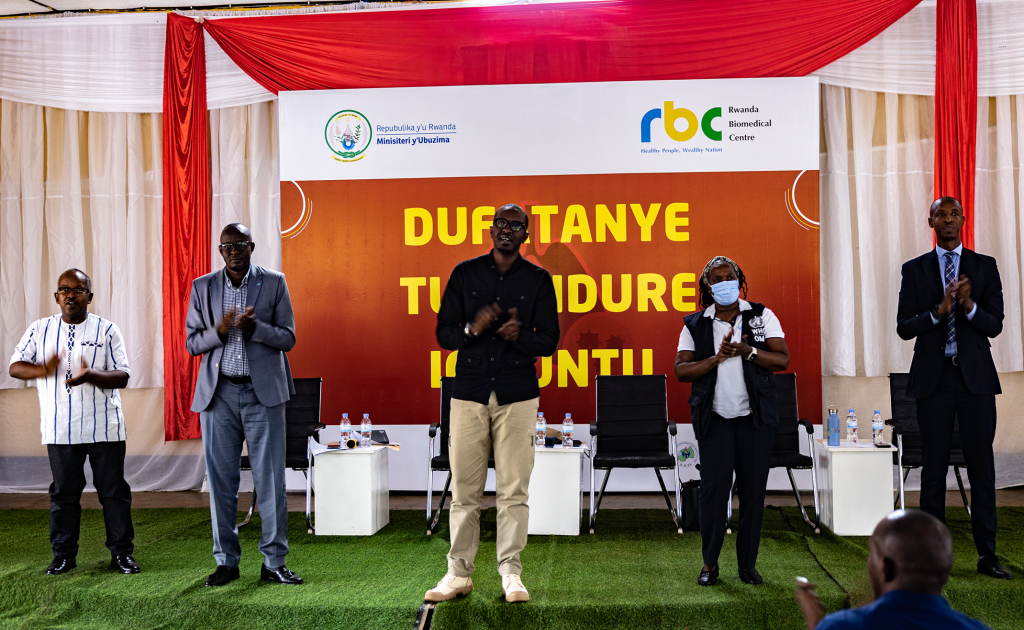
On 24 March 2025, Rwanda joined the global community to mark the World TB day. The event took place in Kayonza District, Eastern Province and this year’s theme was “Yes! We Can End TB: Commit, Invest, Deliver”, calling for the strict implementation of TB policies, funding TB research and innovations, as well as turning ending TB commitments into actions.
Tuberculosis (TB) remains the World´s leading cause of deaths with an estimated 1.3 million deaths annually. The recent survey of TB screened 15,734 presumptive TB cases with a positivity rate of 4%, positing TB among the top national health priorities. During the World TB day, officials from Rwanda Biomedical Center, Ministry of Ministry of Health and various stakeholders underlined the role of coordinated efforts and research in TB elimination.

In line with global efforts to ending Tuberculosis, Rwanda has committed to contributing to these initiatives by promoting early diagnosis of TB disease, effective treatment, providing community-centered healthcare and TB research and innovations. Rwanda´s efforts to ending TB can be reflected in various ways; Rwanda has adopted a “treat all” approach that considers screening for tuberculosis among household contacts of TB cases and provide treatment accordingly. TB treatment coverage reached 100% in 2023 and TB case fatality decreased by 64% between 2015 and 2023. The country has also introduced Tuberculosis Preventive Therapy (TPT), particulary for people at high risk for developing tuberculosis. Currently, 96.4% of people living with HIV (PLHIV) have initiated TPT, resulting in a significant drop of TB/HIV co-infection cases by 66%. .
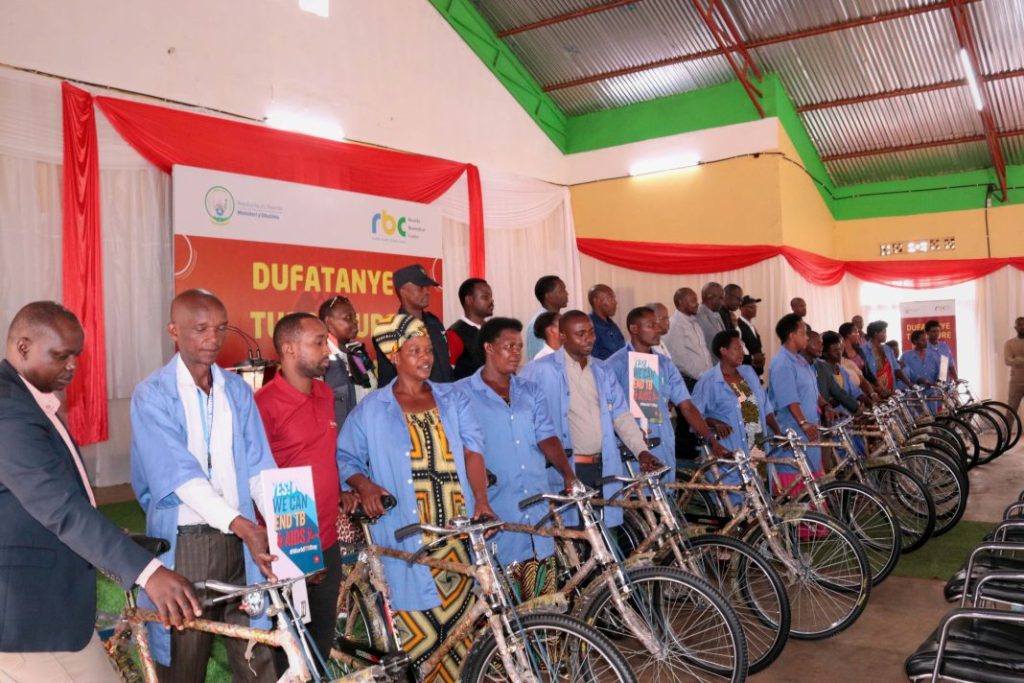
The efforts of Community heathworkers to ending TB were acknowleged on World TB day.
The contribution of Community Health Workers (CHWs) to TB elimination remains pivotal in Rwanda. Beyond leading community-based TB screening, CHWs play a key role in patient follow-up, ensuring treatment adherence and providing necessary support. As part of the World TB Day celebrations, top-performing CHWs from 15 health centers in Kayonza District were recognized and awarded bicycles to facilitate their regular patient visits.
TB Survivor’s voice
The community heath workers were appreciated by both government officials and the local community they serve on daily basis. In this particular occasion, a resident of Kayonza District, shared how timely diagnosis and accessible community-based services saved his life:
“I spent four months battling severe illness, trying traditional medicine, before I decided to seek medical attention at a health center. As soon as I was diagnosed with TB, I started treatment. Thanks to proper follow-up by Community Health Workers and the health center, I made a full recovery. Today, I can testify that early detection, adherence to prescribed medication, and following doctors’ advice are key to overcoming this disease. TB is preventable, treatable, and curable.”
Advancing research and innovations
Rwanda aspires to conduct cutting-edge studies to comprehensively understand TB dynamics and establish innovative strategies for TB control. Previously, novel Mycobaterium tuberculosis (Mtb) lineage was discovered in Rwanda, highlighting the need to use advanced tools to investigate Mtb evolution and possible associated drug-resistance in the region.
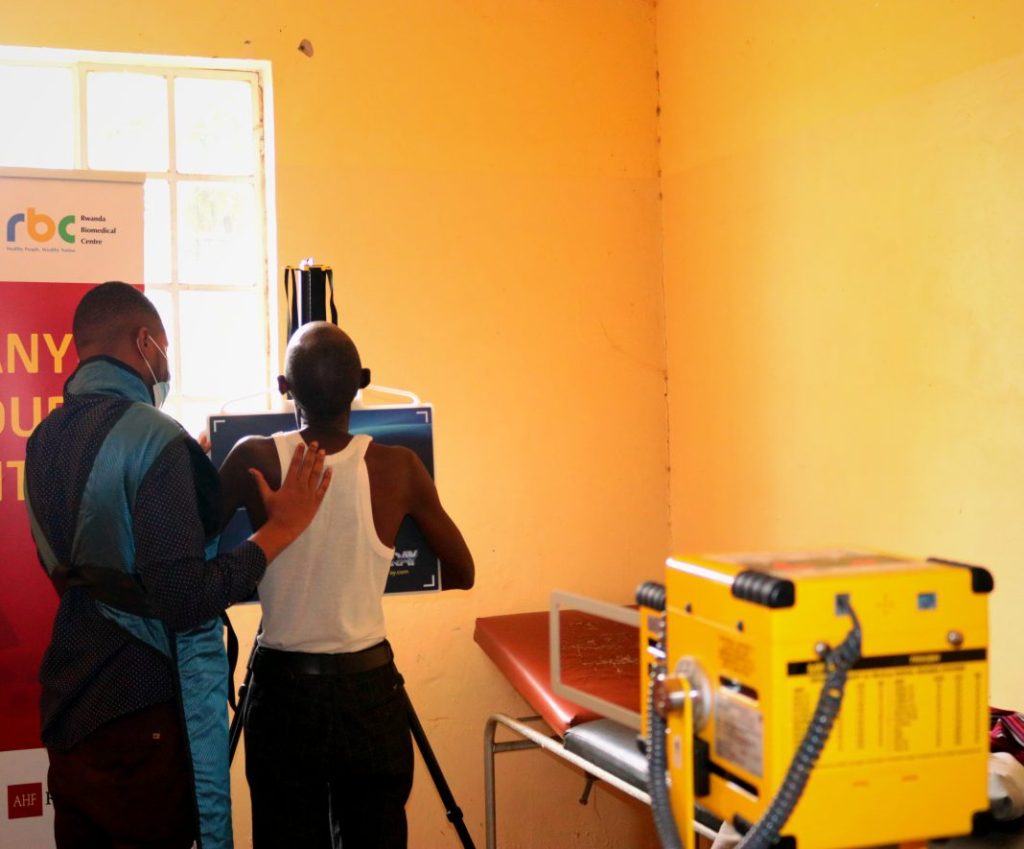
Recently, Rwanda Biomedical Center collaborated with Community Health Workers (CHWs) to conduct a survey, aimed at screening TB in the community using digital tools especially the household contacts of TB cases, the findings highlighted that community-based TB screening is feasible and cost-effective and improves accessibility to TB testing. Among 601 household contacts, 85% provided sputum samples, and 48% were identified as presumptive TB cases—compared to 34% under routine practice. Universal testing doubled TB case detection, preventing missed diagnoses among asymptomatic contacts. An established community based-digitalized system will improve TB data management, real-time reporting, and household contact identification.
Rwanda has also strengthened TB surveillance system to ensure data-driven decision-making. Recent findings from the patients with a low number of Mycobaterium bacteria (paucibacillary load) showed variable resistance to rifampicin, the key drug used in TB treatment. In this particular group, the false resistance was 89%, leading to 53% of patients receiving unnecessary RR-TB treatment. These insights are guiding adjustments to Rwanda’s diagnostic algorithms to enhance treatment accuracy.
Moving Forward
Rwanda has made remarkable progress in timely TB diagnosis and establishing a community based-quality healthcare for TB patients. These efforts will be reinforced, and data driven-innovative methodologies targeting to eliminate TB will be prioritized. The key TB programs will focus on high-risk populations, expanding TB preventive therapy and enhancing innovative screening and treatment approaches.