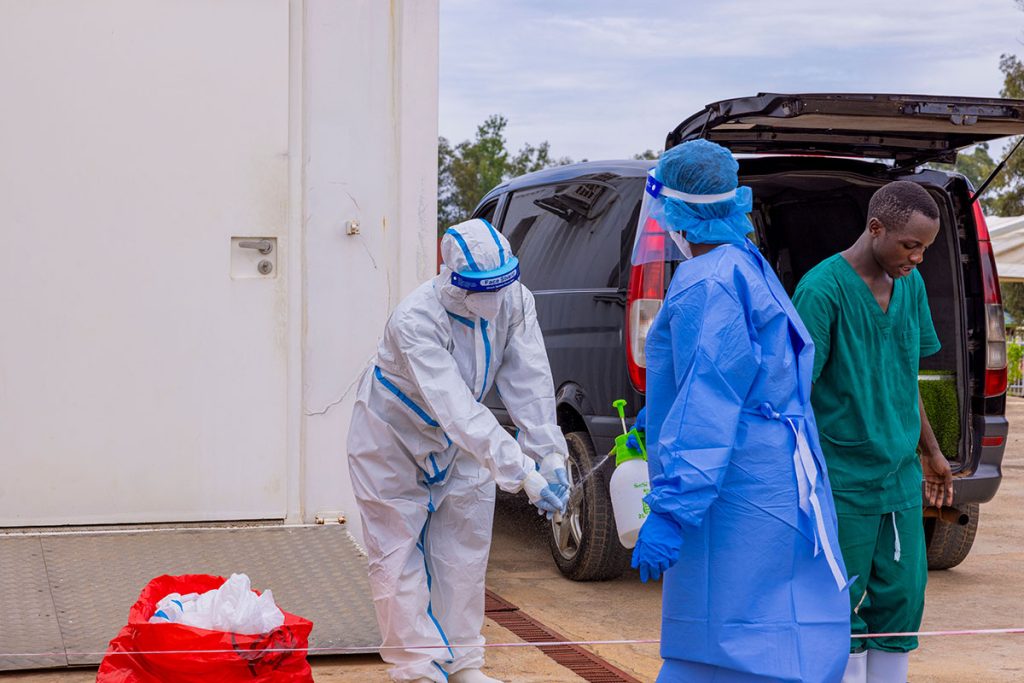
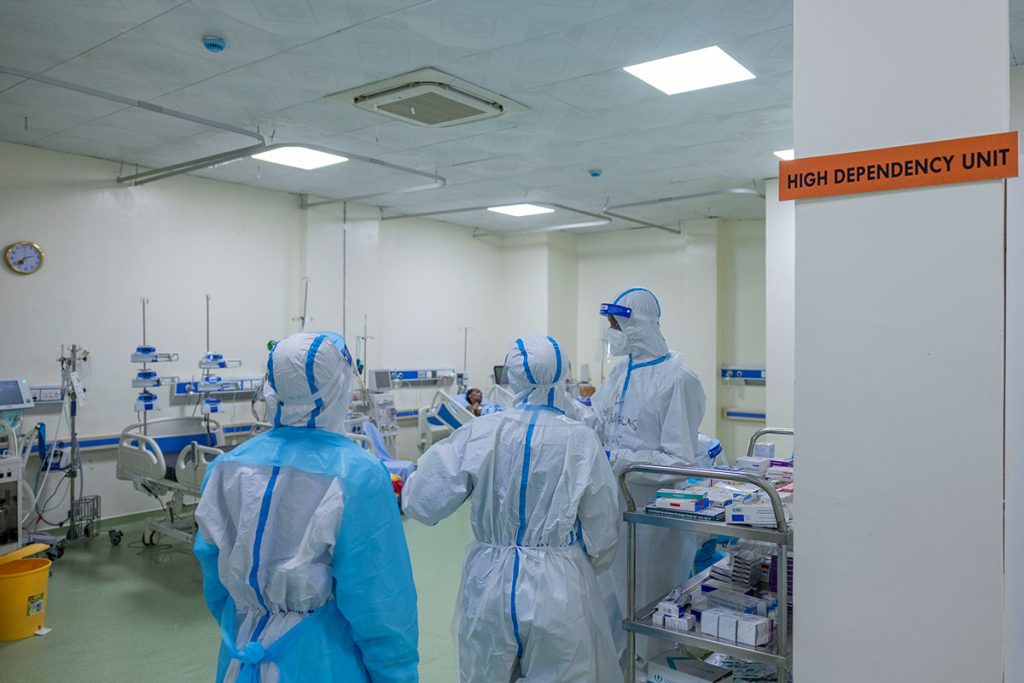
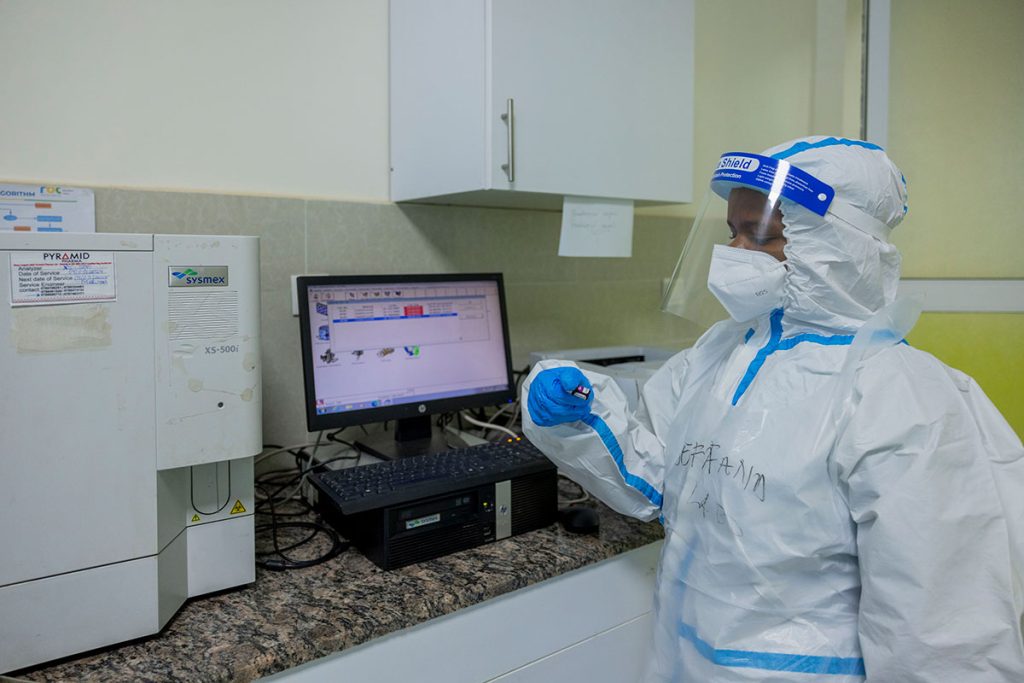
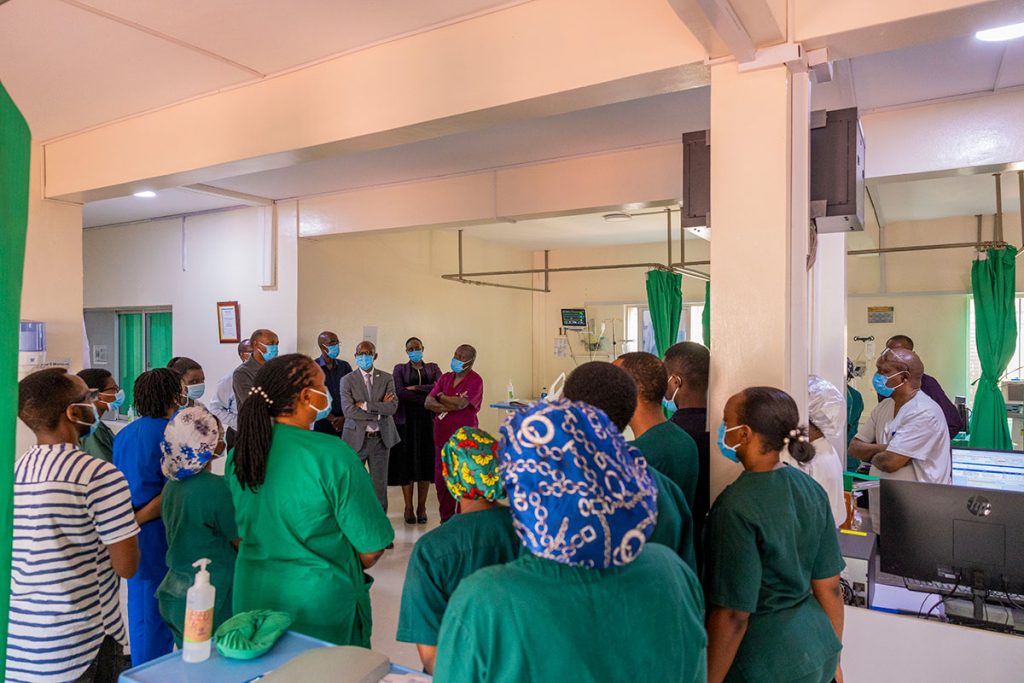
| ○ Trained 1,854 Health Care Workers (HCWs) on MVD and 716 on Mpox detection and reporting
○ Deployed a screening AI tool for Mpox and priority diseases at 12 Points of Entry
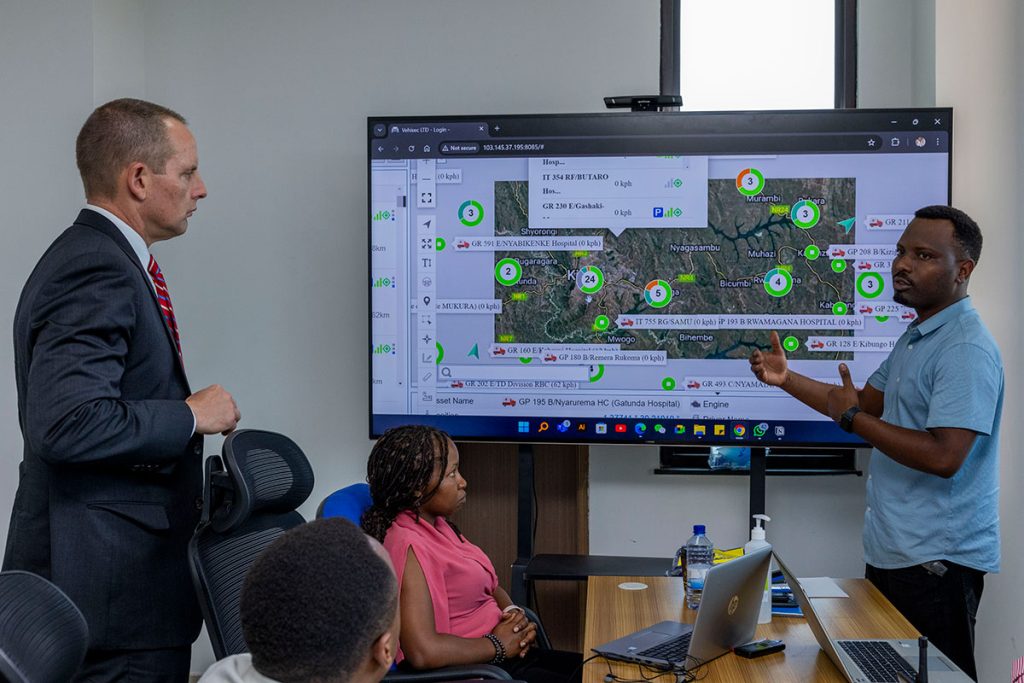
○ Established and launched a Health Intelligence Center (HIC)
○ Upgraded IMPURUZA system for electronic Event Based Surveillance reporting
○ Sustained an Environmental Surveillance through wastewater surveillance at the Kigali International Airport
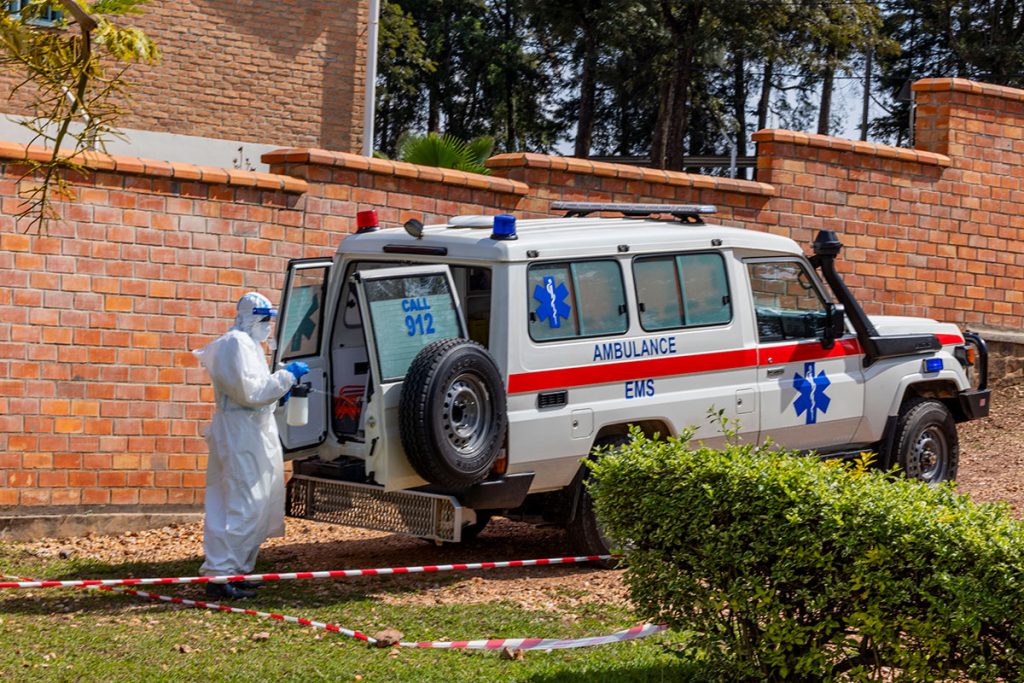
○ Conducted supportive supervision and mentorship across all 30 districts for both mpox and MVD response and readiness activities
○ Held Quarterly District Surveillance Review Meetings in all 30 districts
○ Procured 615 tablets to support effective surveillance in all 515 health centers and 100 high-volume health posts
○ Finalized and approved the second National Action Plan on Antimicrobial Resistance (AMR).
○ Initiated triangulation of disease surveillance and routine and other outbreak response vaccination data to support targeted immunization strategies
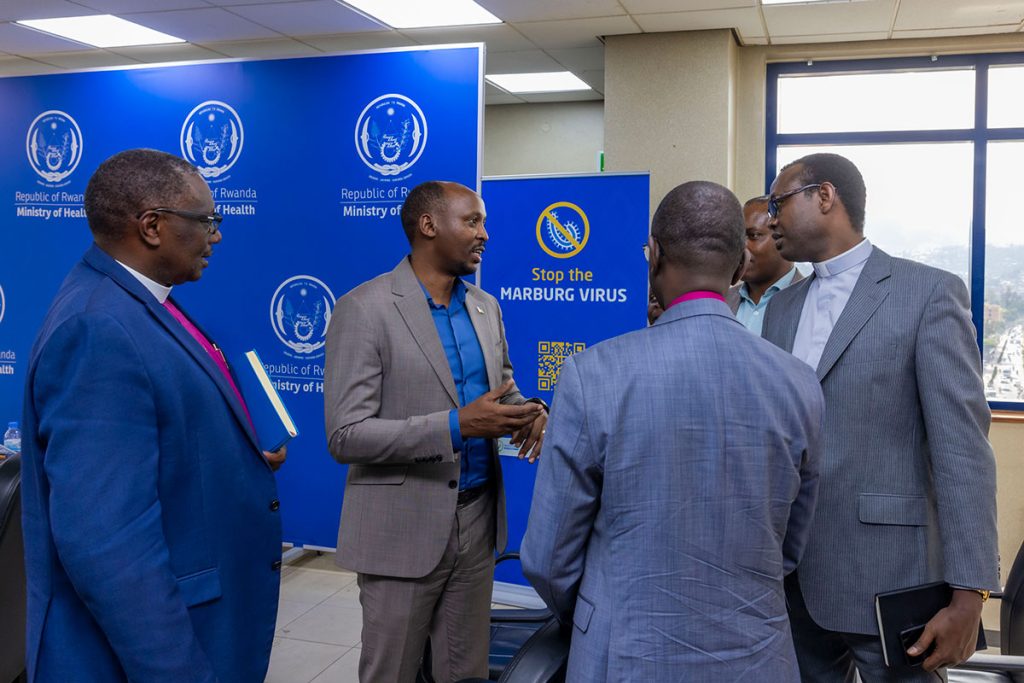
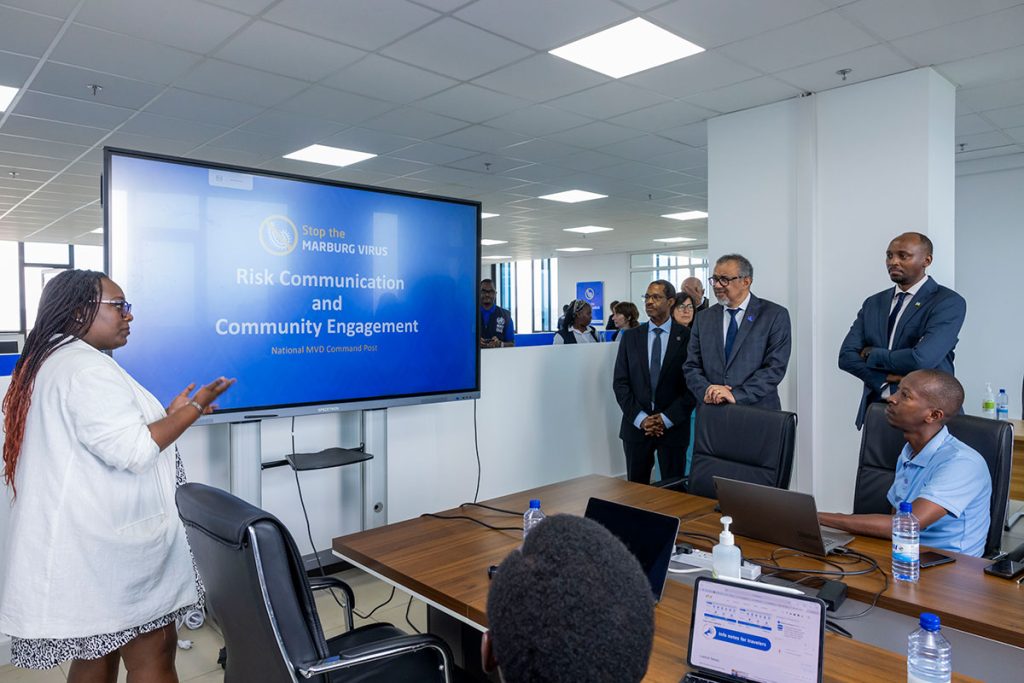
○ Conducted social behavior change and community engagement in partnership with faith based CSO contributing to the awareness prevention of mpox and MVD in identified high risk districts
○ Finalized the Program Document (PD) for targeted community orientation in partnership with selected civil society organizations (CSOs).
○ Hired a consultant to develop a Wildlife disease surveillance strategy |