

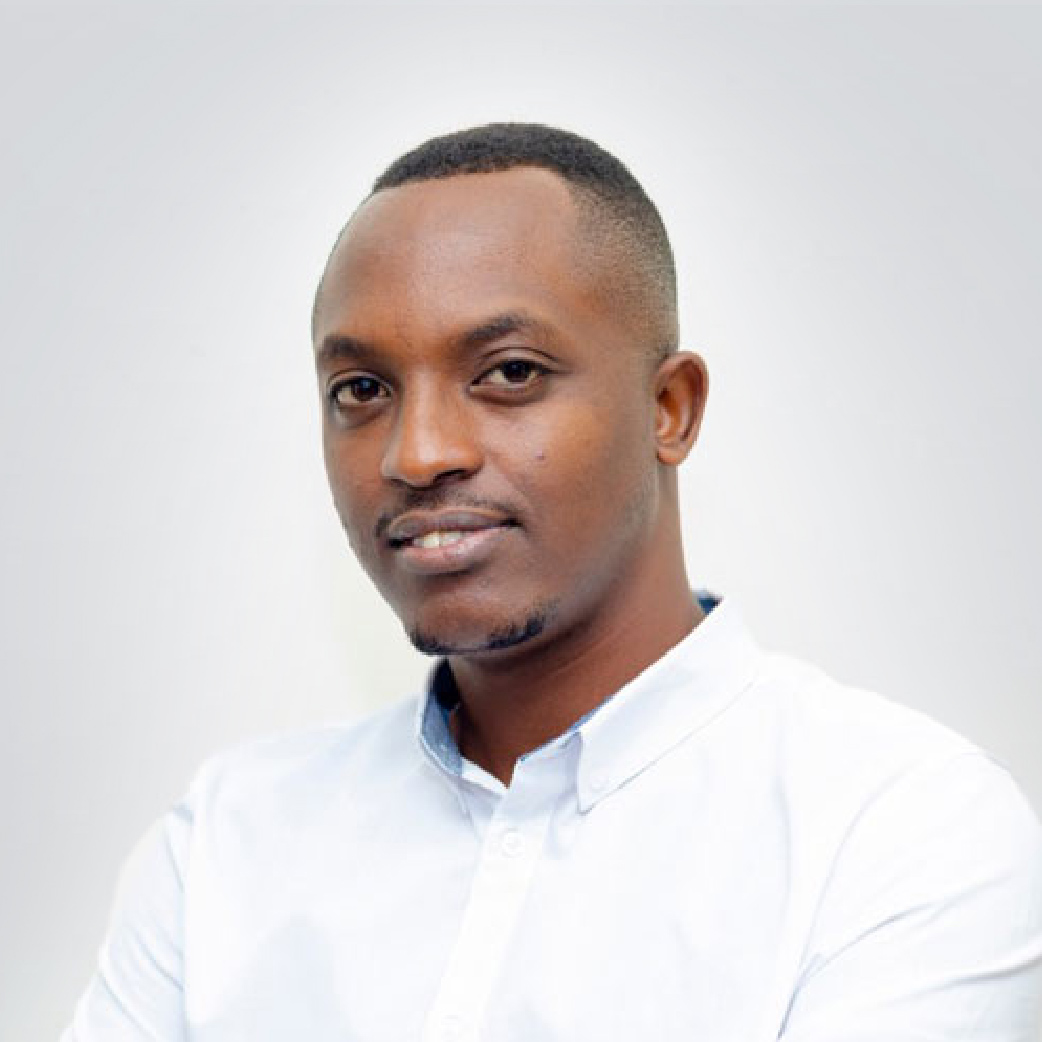
Dr. Gallican Rwibasira
Division Manager | HIV, STI, Viral Hepatitis and Other Viral Diseases Control Division
Email : gallican.rwibasira@rbc.gov.rw
Email : gallican.rwibasira@rbc.gov.rw
The HIV, STI, Viral Hepatitis and Other Viral Diseases Control Division coordinates all activities to prevent HIV/AIDS, sexually transmitted infections (STIs) and viral hepatitis. The department has four units: HIV Prevention, HIV Care and Treatment Services, HIV Epidemiology Surveillance and Research (HESR) and Sexually Transmitted Infections (STIs) and Viral Hepatitis.
The division provides HIV prevention, testing, treatment, STI management, viral hepatitis control, and community outreach services.
All individuals can access HIV services, including high-risk populations such as sex workers, MSM, transgender people, and mobile populations.
PrEP (Pre-Exposure Prophylaxis) and PEP (Post-Exposure Prophylaxis) are medications used to prevent HIV infection before or after exposure.
You can get tested at health facilities, community testing sites, or use HIV self-testing kits available across Rwanda.
PMTCT stands for Prevention of Mother-to-Child Transmission and helps prevent HIV transmission from mothers to their babies.
~210,000 people are living with HIV in Rwanda.
This represents a national prevalence of approximately 3.0% among adults.
The overall HIV prevalence among adults is about 2%–3%.
Women are more affected than men, with higher prevalence rates.
Rwanda has reduced new HIV infections by over 80% in recent decades.
AIDS-related deaths have also significantly declined.
Rwanda is among the few countries to achieve the UNAIDS targets:
Over 95% of HIV-positive pregnant women receive treatment.
This supports elimination of mother-to-child transmission.
More than 94%+ of people living with HIV are on ART.
High retention rates ensure long-term treatment success.
People living with HIV who know their status.
Diagnosed individuals receiving ART.
People on treatment with viral suppression.
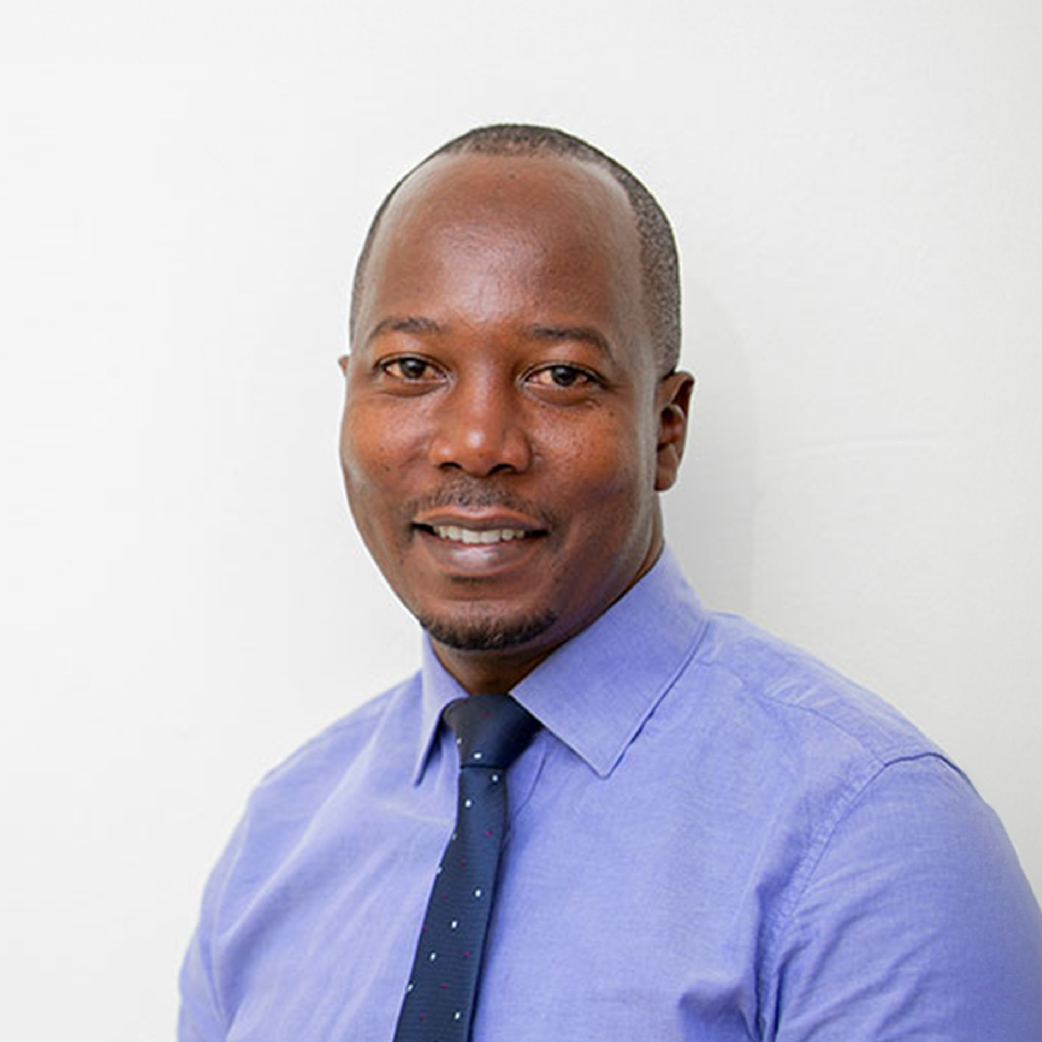
Dr. Francois Uwinkindi is the Division Manager of Non-Communicable Diseases Division.
He is a Medical Doctor with a Master’s Degree in Epidemiology from University of Rwanda.
Dr Francois previously served as the Director of the Cancer Diseases Unit for 4 years from 2015 to 2019, the post he occupied after serving for more than five years in national HIV Control Program with different roles and responsibilities in Prevention, Care & Treatment, Monitoring and Evaluation and Clinical Research.
Prior to joining Rwanda Biomedical Centre, he worked as a medical officer at Byumba district hospital for 2 years.
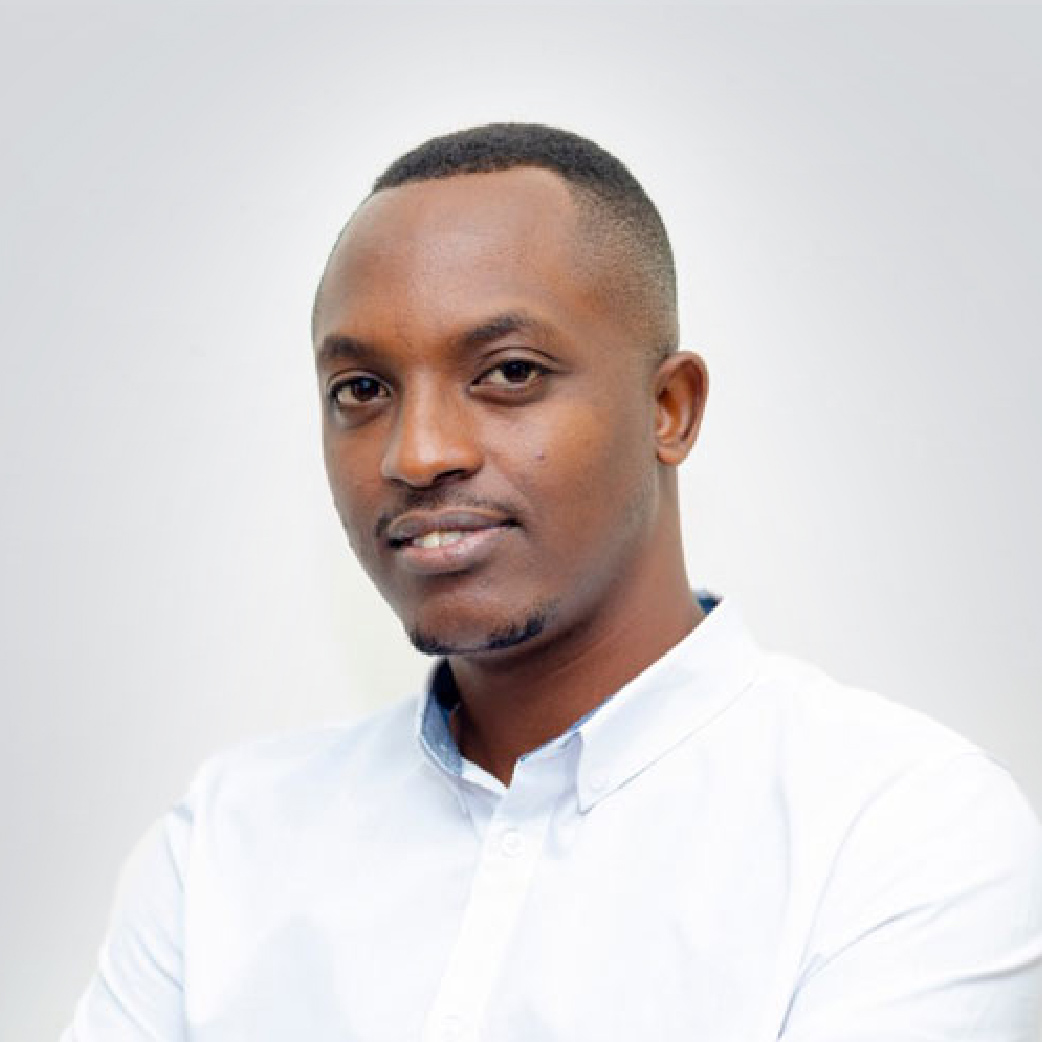
Dr. Gallican is a Head of National HIV, STIs and Hepatitis Programs since December 2020.He is adept at designing, testing and implementation new initiatives to curb HIV infections and transmissions among high-risk group for more than 5years. He holds a Medical Degree in General Medicine and Surgery from National University of Rwanda and Master’s in Epidemiology from Mount Kenya University.
Prior to this position, Dr. Gallican worked with ICAP at Columbia University as the Project Manager for HIV Case-based Surveillance (CBS), seconded to RBC; Before that, He served as a Senior Study Coordinator for the Rwanda Population based HIV impact Assessment Survey (RPHIA) of 2018-2019. Prior to joining ICAP, he worked as General Practitioner within different rural and urban District and referral Hospitals in Rwanda.
He is an active member of different National and Regional technical working groups on HIV and Viral Hepatitis Programs implementations.
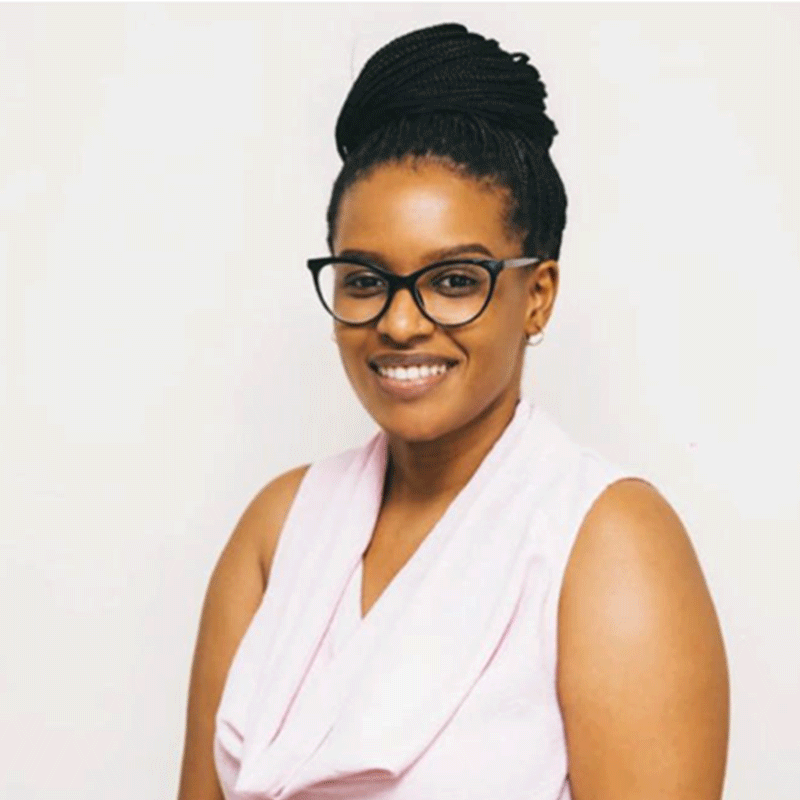
Eng. Annick Ishimwe is the current Division Manager for the Medical Technology Division. She has a Bachelor of Engineering in Biomedical Engineering and an MSc in Public Health (Global Health) from the University of Southampton. She is a Chevening Alumni and WEF Global shaper.

Noella Bigirimana is the Deputy Director General at the Rwanda Biomedical Centre, a national health implementation agency in Rwanda.
Noella previously served as Division Manager of Research, Innovation and Data Science at RBC. She has also served as Precision Medicine Fellow at the World Economic Forum, where she focused on co-designing policy and governance approaches to accelerate the adoption of emerging technologies in low-resource settings. Noella has also worked as consultant for WHO and USAID-funded projects in Rwanda and Guinea-Conakry in the post-Ebola period.
Noella currently serves on the Advisory Board of AI Transparency Institute, and also serves as the Advisory Board Chair of the Youth Combating NTDs. She is a World Economic Forum’s Global Shaper in the Kigali Hub, and a contributor at the Future Africa Forum.
She holds a Bachelor’s degree in Human Biology, Health and Society from Cornell University, and a Master’s degree in International Health Policy and Management from the Heller School at Brandeis University.
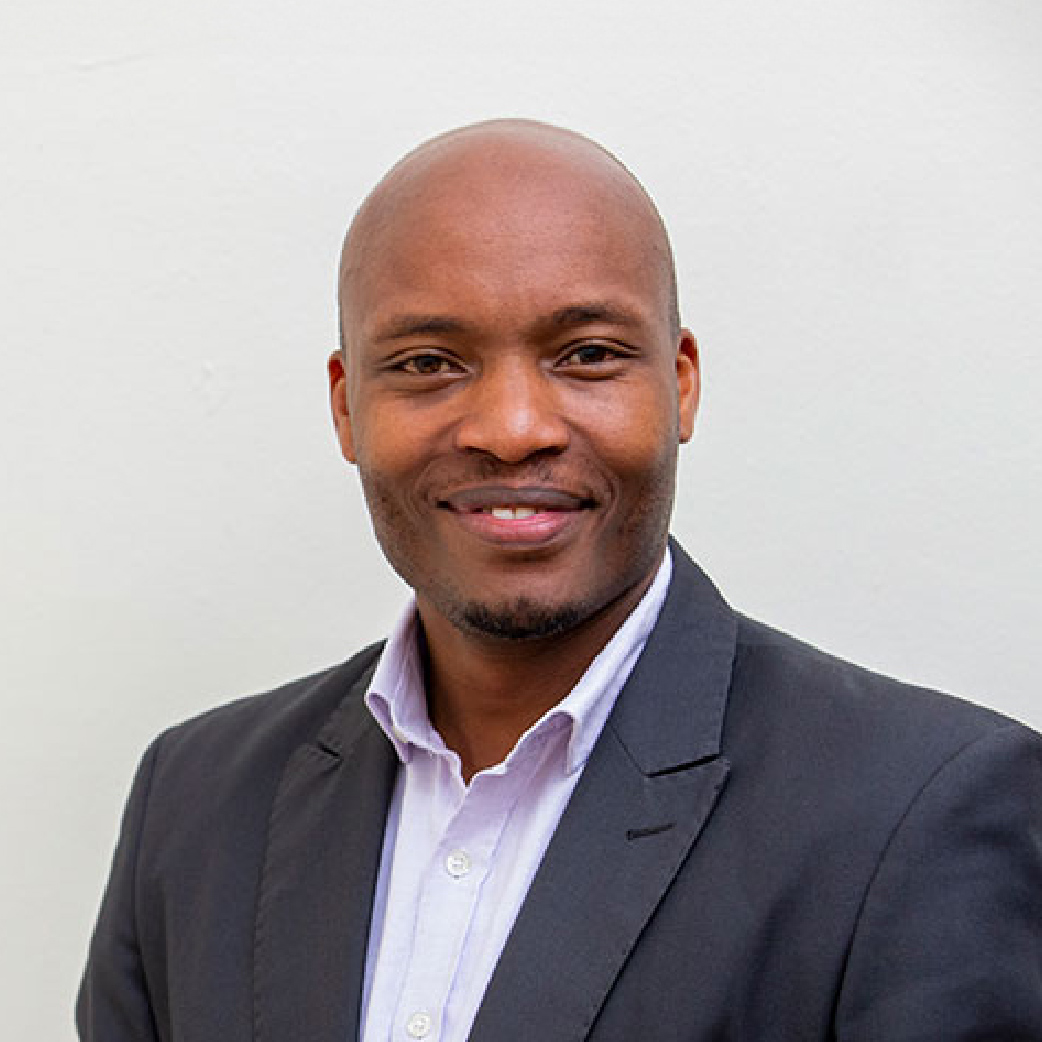
Dr. Albert TUYISHIME is a Medical Doctor. He holds a master’s degree in clinical Epidemiology from the University of Rwanda.
He serves as the Head of HIV/AIDS, Diseases Prevention and Control Department at Rwanda Biomedical Centre.
For the last 10 years, Dr Albert has worked for Rwanda Biomedical Center, gaining senior-level experience in health programs and systems design, strategic and operational planning, development of Monitoring and Evaluation frameworks for health programs, methods and models for impact and cost analysis as well as development of frameworks and conducive environment for business projects in Health sector.
Dr Albert has also managed the implementation of the Rwanda Health Information Systems (RHIS), including fostering innovation, projects planning, organizing and negotiating the allocation of resources to ensure access to quality health information systems and data.
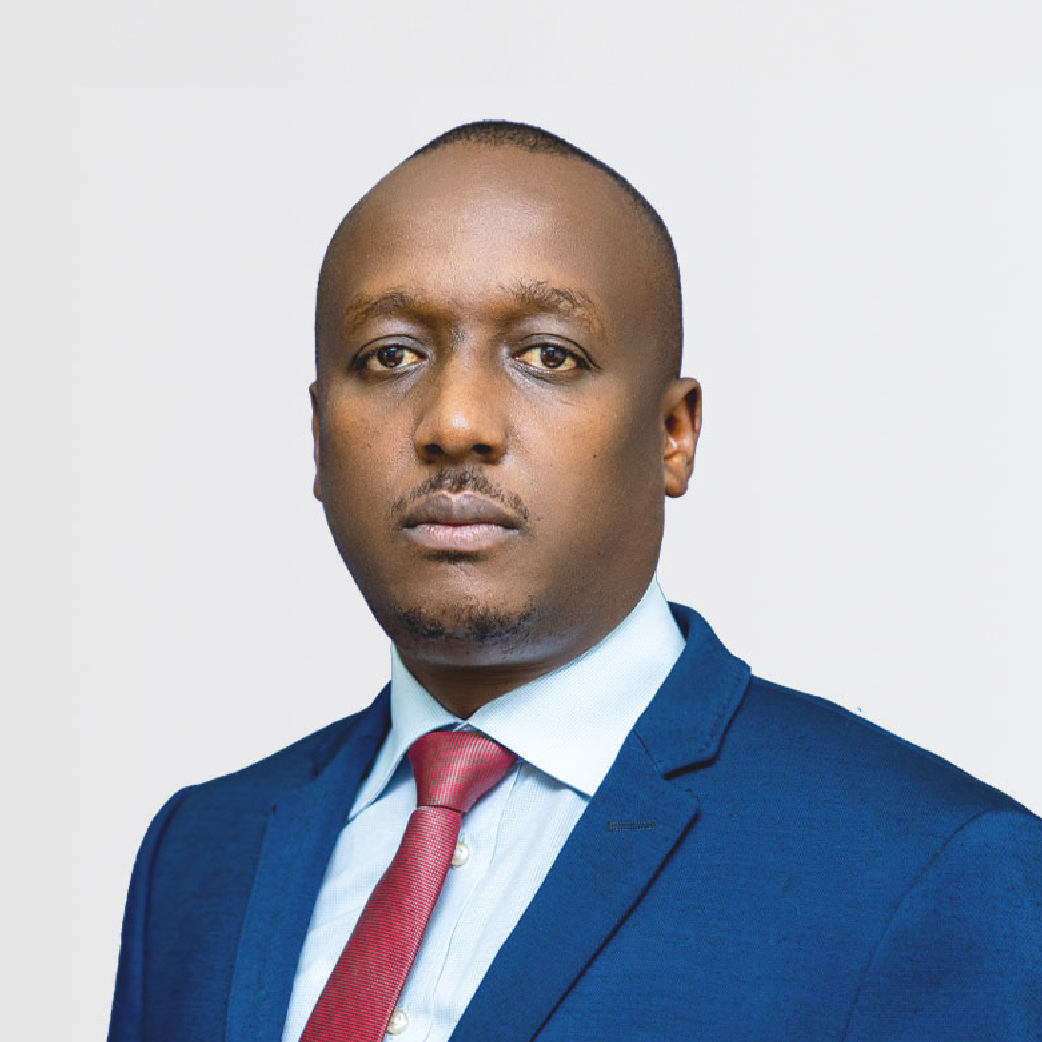
Prof. Claude Mambo MUVUNYI is the Director General of Rwanda Biomedical Centre. He has more than 10 years of technical, managerial, and strategic experience and expertise in the field of clinical and public laboratory medicine with special focus on clinical microbiology, laboratory systems and service strengthening, and global health security.
Prof. Claude Mambo MUVUNYI is currently a full professor of clinical Microbiology and Laboratory Medicine. He holds a degree in general medicine from the university of Rwanda, a specialization and a PhD in Clinical Microbiology from the University of Ghent, Belgium. He also holds a master’s in medical Virology from the University of Manchester.
Prior to joining the RBC, Prof. Claude Mambo MUVUNYI was a Senior Regional Laboratory Advisor at ICAP at Columbia University, providing technical and strategic leadership support to the Laboratory program/project in building quality assured diagnostic capacities at all levels in the network (public and private health laboratories) of countries in Africa, South and Central Asia, and central America. He has also been a senior consultant for World Health Organization (WHO) supporting WHO’s programs for Antimicrobial Resistance (AMR) surveillance and diagnostic capacity building in African countries. He has been the Head of National reference Laboratory, and the Director of Microbiology unit as well as a study physician for AIDS Vaccine clinical and feasibility research at Project San Francisco.
He has published papers in several international and regional peer-reviewed journals and has made numerous presentations in international conferences. His research interests include evaluation of diagnostic methods (molecular and serological) for infectious diseases and operational research on diagnostic implementation and scale up, and to assess the impact of the new diagnostic for infectious diseases.
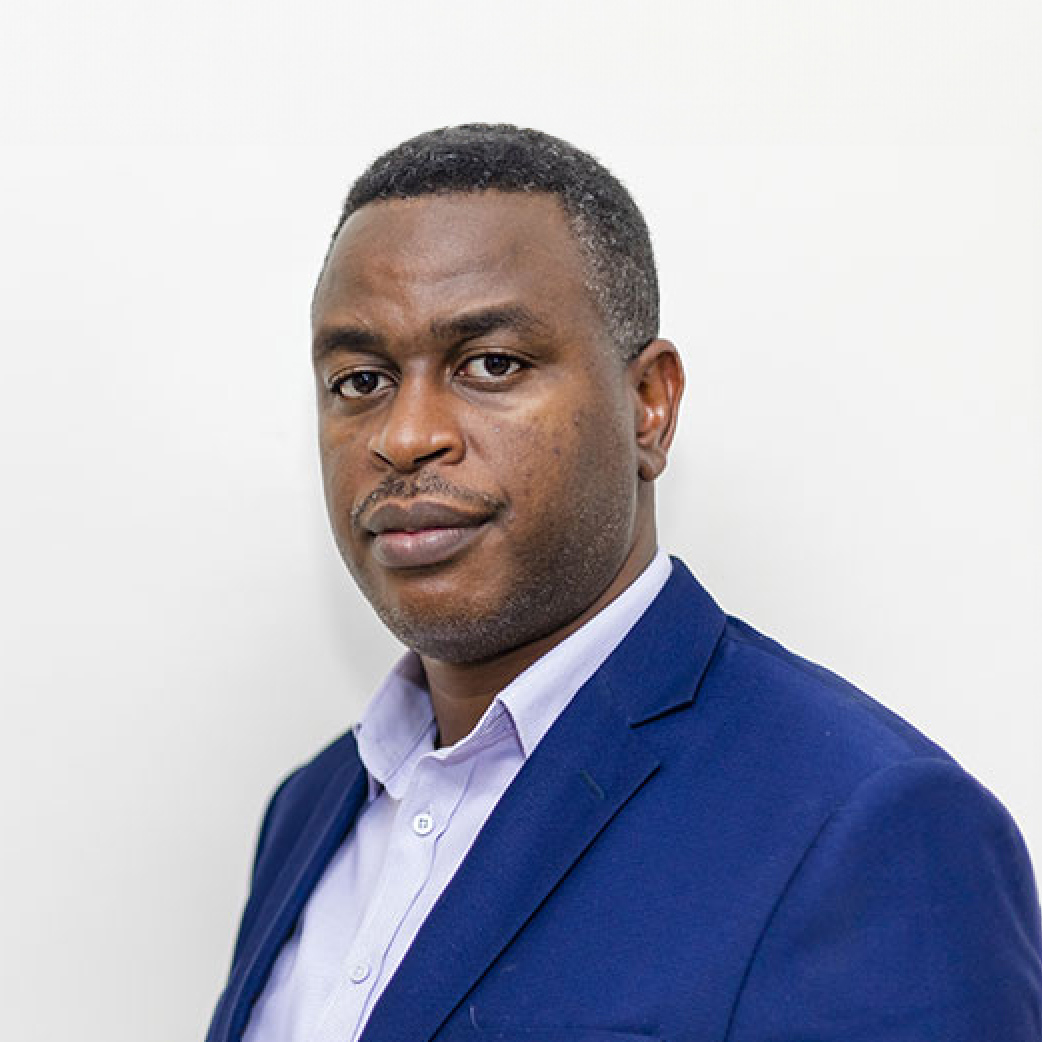
Mr Theo Principe UWAYO, ACCA, CPA (R) is the Chief Finance Officer at RBC since 5 February 2022. He joined RBC from 14 April 2021 serving as the Deputy Director General of RBC. Before then, He has had extensive experience in public sector accounting and auditing, whereby he participated actively in audits of Government Budget Agencies and Government Business Enterprises for fifteen years
He studied at Kigali Institute of Science, Technology and Management, currently University of Rwanda- College of Science and Technology where he obtained a Bachelor’s degree (BBA) in Accounting. He completed his ACCA professional accountancy qualification and He is a member in good standing for both Association of Chartered Certified Accountants (ACCA) and Institute of Certified Public Accountants in Rwanda (ICPAR) Rwanda.
Before joining RBC, He worked at the Office of the Auditor General of State Finances where he occupied various posts. He joined RBC while he was working as Director of Audit, whereby his work included overall management of the Department including but not limited to supervision of various audit teams and handling departmental administrative issues as the Head of the Department.